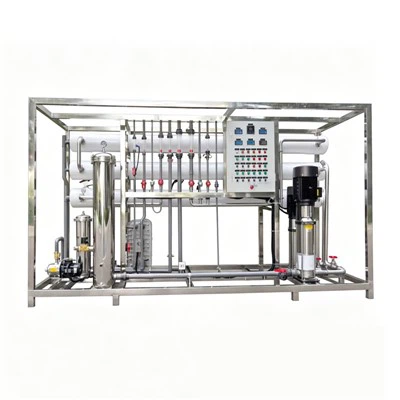
Hey there! I’m a supplier of membrane filtration equipment, and I’ve seen firsthand how operating conditions can have a huge impact on the performance of these machines. In this blog, I’ll break down the key operating conditions and explain how they affect the performance of membrane filtration equipment. Membrane Filtration Equipment
Temperature
Let’s start with temperature. Temperature plays a significant role in membrane filtration. When the temperature goes up, the viscosity of the fluid being filtered decreases. This means that the fluid can flow through the membrane more easily, which generally leads to an increase in the filtration flux. That’s the rate at which the fluid passes through the membrane.
For example, if you’re filtering a thick syrup at a low temperature, it might move through the membrane very slowly. But if you heat that syrup up a bit, it becomes less sticky, and the filtration process speeds up. However, there’s a catch. High temperatures can also damage the membrane material. Some membranes are made of polymers that can start to break down or change their structure when exposed to extreme heat. This can lead to a decrease in the membrane’s selectivity, which is its ability to separate different components in the fluid. So, it’s a balancing act. You want to find the sweet spot where the temperature helps with flux but doesn’t harm the membrane.
Pressure
Pressure is another crucial factor. Applying pressure is what drives the fluid through the membrane. When you increase the pressure, you’re basically pushing the fluid harder to get it through the tiny pores in the membrane. As a result, the filtration flux usually goes up. You can think of it like squeezing a sponge. The more pressure you apply, the more water comes out.
But just like with temperature, there are limits. If you apply too much pressure, you can cause the membrane to compact. This means that the pores in the membrane get squished together, which can reduce the long – term performance of the membrane. It might also lead to something called membrane fouling. Fouling is when particles in the fluid start to stick to the membrane surface or clog the pores. High pressure can force more particles into the pores, making fouling worse. So, you need to find an optimal pressure for your specific filtration process.
Flow Rate
Flow rate is all about how fast the fluid is moving across the membrane surface. A higher flow rate can help prevent fouling. When the fluid is moving quickly, it can carry away the particles that might otherwise stick to the membrane. It’s like a river. A fast – flowing river can carry debris along with it, while a slow – moving river is more likely to have things settle at the bottom.
However, if the flow rate is too high, it can create a lot of turbulence. This turbulence can cause mechanical stress on the membrane, which might damage it over time. Also, a very high flow rate might not give the fluid enough time to interact properly with the membrane for effective separation. So, you have to find the right flow rate that balances fouling prevention and proper filtration efficiency.
Feed Concentration
The concentration of the substances in the fluid you’re filtering, also known as the feed concentration, has a big impact. If the feed concentration is high, there are more particles in the fluid. This means that there’s a higher chance of fouling because there are more particles available to stick to the membrane.
For instance, if you’re filtering a solution with a high salt concentration, the salt crystals might start to build up on the membrane surface. This will reduce the filtration flux and the overall performance of the equipment. On the other hand, if the feed concentration is too low, the filtration process might not be cost – effective. You’re using energy and equipment to filter a fluid with very few substances to separate. So, you need to manage the feed concentration based on the type of membrane and the specific filtration goals.
pH Level
The pH level of the fluid can also affect membrane filtration. Different membrane materials have different tolerances for pH. Some membranes work well in acidic conditions, while others are better suited for alkaline ones.
If the pH is outside the optimal range for a membrane, it can cause chemical reactions that damage the membrane. For example, in a very acidic environment, some polymers in the membrane might start to dissolve. This will not only reduce the membrane’s performance but also shorten its lifespan. So, it’s important to adjust the pH of the feed fluid to be within the recommended range for the membrane you’re using.
Effect on Equipment Lifespan
All these operating conditions combined can have a major impact on the lifespan of the membrane filtration equipment. If the operating conditions are not ideal, the membrane will experience more wear and tear. For example, high temperature and pressure can cause the membrane to degrade faster. Frequent fouling can also lead to the need for more frequent cleaning and membrane replacement.
When the membrane has to be replaced often, it increases the cost of operation. Not only do you have to buy new membranes, but there’s also the downtime for the equipment during the replacement process. So, by carefully controlling the operating conditions, you can extend the lifespan of the membrane and make the filtration process more cost – effective.
How to Optimize Operating Conditions
As a supplier of membrane filtration equipment, I often get asked how to optimize the operating conditions. First, you need to understand your feed fluid. Analyze its properties such as temperature, pressure, flow rate, feed concentration, and pH. Based on this analysis, you can choose the right membrane material.
For example, if you’re dealing with a high – temperature fluid, you might want to choose a membrane that can withstand heat. If the fluid is acidic, look for a membrane that is resistant to acid. Next, you can use monitoring systems to keep track of the operating conditions. These systems can alert you if the conditions are getting out of the optimal range.
Finally, establish a regular maintenance schedule. This includes cleaning the membrane and checking for any signs of damage. By taking these steps, you can ensure that your membrane filtration equipment is performing at its best.
Final Thoughts and Call to Action
In conclusion, operating conditions have a profound effect on the performance of membrane filtration equipment. Temperature, pressure, flow rate, feed concentration, and pH all play important roles. By understanding these factors and optimizing the operating conditions, you can improve the efficiency, lifespan, and cost – effectiveness of your filtration process.
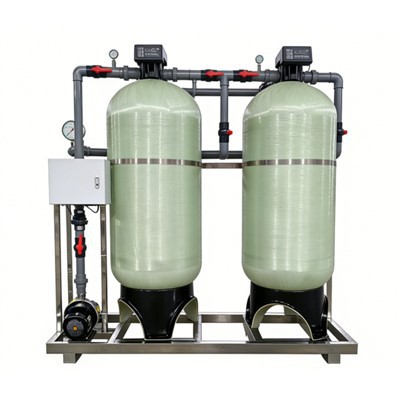
RO Purified Water Equipment If you’re in the market for membrane filtration equipment or need advice on optimizing your operating conditions, I’d love to have a chat. We can discuss your specific needs and find the best solutions for you. Don’t hesitate to reach out and start a conversation about how we can work together to make your filtration process a success.
References
- Cheryan, M. (1998). Ultrafiltration and Microfiltration Handbook. Technomic Publishing Company.
- Mulder, M. (1996). Basic Principles of Membrane Technology. Kluwer Academic Publishers.
- Baker, R. W. (2012). Membrane Technology and Applications. John Wiley & Sons.
Shandong Yanuo Environmental Protection Equipment Co., Ltd.
We’re well-known as one of the leading membrane filtration equipment manufacturers and suppliers in China, featured by quality products and good price. Please rest assured to buy bulk membrane filtration equipment made in China here from our factory. Customized orders are welcome.
Address: North Side of the Road, 1,000 Meters West of the Intersection of Fenghuangshan West Road and Provincial Highway S102, Wangfu Subdistrict, Qingzhou City, Weifang City, Shandong Province.
E-mail: ynhb.499973983@gmail.com
WebSite: https://www.zkyaruo.com/
