Hey there! If you’ve been browsing ceiling decor options lately, odds are you’ve stumbled on PVC UV Marble Sheets, or maybe you’re curious if this trendy material actually works for ceilings. As someone who’s been supplying these sheets for a few years now, I get all the time: “Wait, can I put that on my ceiling, or is that only for walls?” Let’s cut through the confusion, break this down like I would with a regular customer, and get real about whether this stuff belongs above your head. PVC UV Marble Sheet
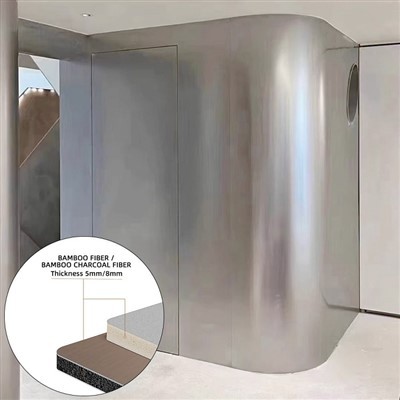
First, let’s keep it simple—what even is a PVC UV Marble Sheet? For anyone new, it’s not the real marble you’d see in fancy hotels (the heavy, porous, needs sealing every year kind). These are made from polyvinyl chloride, infused with that ultra-realistic UV-cured coating that mimics marble’s veining, smoothness, and even that subtle shine you love. No grout, no heavy lifting, just easy installation and that luxe look without the $$$ price tag. But ceilings are a different beast, right? They’re not walls—they get exposed to different stuff: more heat if you’ve got a kitchen, humidity if it’s a bathroom or basement, even random splashes sometimes. So the big question is: does this sheet hold up there?
Let’s start with the good stuff first, because that’s why everyone’s asking. First off, weight. Real marble slabs for ceilings are a pain—super heavy, need specialized installers, might even require reinforcing your ceiling to hold them up. PVC UV Marble Sheets? These are thin, like 1mm to 3mm thick, super light. A standard 8x4ft sheet weighs barely 5-10 lbs, max. That’s huge for ceilings—no need to call in a structural engineer just to hang decor. You can even handle them by yourself (I’ve had customers who rent a small apartment and do their own ceiling in a weekend, so it’s doable).
Then there’s the moisture and heat resistance, which is make-or-break for ceilings, especially in bathrooms or over stoves. The UV coating on these sheets is way more durable than regular PVC—so it doesn’t fade when exposed to direct sunlight (if you’ve got a skylight above your ceiling, this is a win) and it won’t warp or bubble when there’s steam from a hot shower or a pot boiling on the stove. I’ve had a few regulars in Florida (super humid, hot AF) who put these in their bathroom ceilings two years ago, and they still look as good as the day we installed them. No mold growing, no peeling, nothing. That’s way better than, say, regular paint which chips or peels in high-moisture areas.
Cleaning is another big one. Ceilings get dusty, right? Or if you’ve got a kitchen ceiling, maybe a stray grease splatter. The UV coating is non-porous, so you can just wipe it down with a damp cloth and a little mild soap. No special cleaners, no scrubbing hard. Way easier than real marble, which etches if you get the wrong cleaner on it, or popcorn ceilings that you can’t even wipe without making a mess. For busy people or families, that’s a total plus.
Wait, but let’s not sugarcoat it—there are some things to watch out for, because nothing’s perfect. First, installation. Ceilings are not walls, so you’ve got to make sure the sub-ceiling is smooth and even. If there are bumps or cracks in the drywall above, those will show through the sheet—since the UV coating is so glossy, it’s super reflective. I always tell customers to skim-coat the ceiling first or use a smooth substrate like MDF panels if they’re doing a DIY install. If you mess that up, it’ll look weird, so don’t skip that step.
Another thing: extreme heat. I’m not talking about a normal hot bathroom, but if your ceiling is directly above a fireplace or a commercial kitchen’s exhaust hood? That’s a problem. PVC starts to soften at really high temperatures (like over 140°F, which is way hotter than a normal kitchen stove, but if you’ve got something that blasts super hot air right at the ceiling, that’s a no-go). I always advise customers to check the temperature rating of their space. If it’s a regular home, that’s fine; if it’s a commercial kitchen or a space with intense heat, go with a different material, okay?
Also, if you’re in a space where you’re going to drill into the ceiling a lot—like if you have a lot of heavy light fixtures or ceiling fans—PVC sheets might not be the best, or you need to reinforce the area. The sheets are flexible, so a heavy point load could make them crack or pull away from the substrate. I always tell people to plan where their fixtures go before installing the sheets, or use extra backing in those spots.
Now, let’s talk about real customer examples, because that’s what makes this stuff real. Last year, I had a contractor who was finishing up a modern villa in Austin. He wanted that marble ceiling look but didn’t want the cost or the weight of real marble. He put PVC UV Marble Sheets in all the living room and hallway ceilings, and it turned out sick—everyone who visits can’t tell it’s not real marble. No grout lines, seamless look, and he saved like 70% compared to real marble. Another customer had a basement ceiling—basements are usually humid and gross, right? He put these sheets over the old drywall, and now his basement feels way brighter, no more mold growth, and he didn’t have to pay a ton for installation.
Wait, also, sound? No, wait, PVC is a sound conductor, but if you put them over acoustic underlayment, that can help. But most customers don’t care about that—they care about looks and durability.
So, putting this all together: yes, PVC UV Marble Sheets absolutely can be used for ceiling decoration—so long as you use them in the right spaces and install them correctly. They’re perfect for homes, offices, bathrooms, living rooms, anywhere that’s not exposed to intense extreme heat or super heavy point loads. They’re light, easy to install, durable against moisture and heat (normal levels), look amazing, and cost way less than real marble.
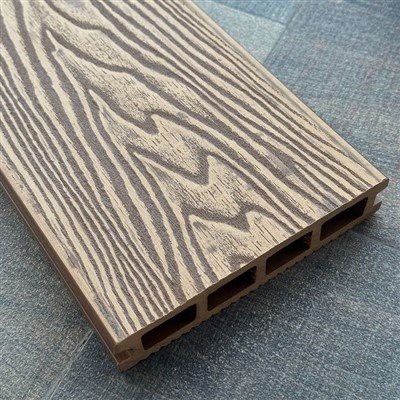
Now, if you’re thinking about trying them out, here’s what I’d suggest: first, measure your ceiling to get the right number of sheets, don’t forget to add a little extra for cuts. Make sure your sub-ceiling is smooth—no bumps, no cracks. If you’re DIYing, get a good adhesive that’s made for PVC and ceilings, follow the instructions (don’t just use regular wall adhesive, it’ll fall down). And if you’re not sure about your space, just reach out.
PVC UV Marble Sheet If you’re interested in getting samples or chatting more about how to use these for your ceiling, feel free to get in touch. We can help you figure out how many sheets you need, answer any questions about installation, and even suggest designs that fit your space. Don’t overthink it—these sheets are a game-changer for ceilings, and they’re way easier than you think.
References
- National Polytechnic Institute. (2021). Properties and Applications of UV-Cured PVC Composite Materials for Interior Architectural Surfaces. Journal of Polymer Science and Engineering.
- American Society of Interior Designers. (2022). Low-Ceiling Weight Decorative Materials for Residential and Commercial Spaces. Interior Design Trends Report.
- International Code Council. (2020). Mechanical and Fire Resistance Ratings for PVC-Based Interior Building Materials. International Building Code Supplement.
Linyi Dongyuan International Trade Co., Ltd.
We’re well-known as one of the leading pvc uv marble sheet manufacturers and suppliers in China, also support customized service. With abundant experience, we warmly welcome you to buy high quality pvc uv marble sheet made in China here from our factory. Contact us for more details.
Address: No.A3-102, Mingzhu North Street, Xicheng, Lanshan District, Linyi City, Shandong Province, China
E-mail: Lydongyuan2024@163.com
WebSite: https://www.dy-wpcwood.com/
