Hey guys, let’s cut to the chase: if you’re an artist (or even just someone who dabbles in doodling, painting, or collage), you’ve probably stared at a crumpled plastic tote or a flimsy canvas bag and thought, “Wait… can I actually use a cotton bag for art supplies?” As a cotton bag supplier who spends all day chatting with makers, students, and hobbyists, I get this question more than you’d think. It’s not a random thought—art supplies are weird, right? Brushes leak, markers smudge, paint tubes are unforgiving, and you need a bag that works, not one that falls apart mid-commute. Cotton Bag
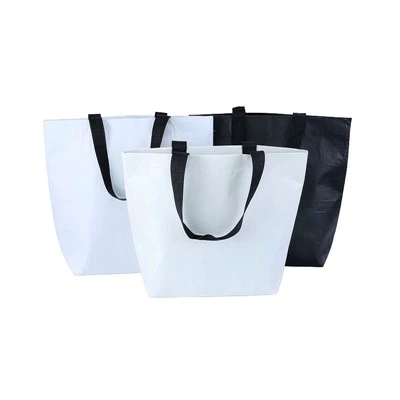
First off, let’s talk about what makes cotton bags different from the “artist-specific” bags you see online. You know the ones: usually nylon, coated fabric, or thick canvas with a million compartments. Cotton bags—our cotton bags, anyway—are usually made from organic or conventional cotton, woven loosely (but not too loosely) into a durable, soft, washable fabric. So how does that hold up against acrylic paint, water, oily pastels, and all the other chaos art supplies bring? Spoiler: way better than you’d assume, as long as you pick the right one and use it smart.
Let’s start with the pros, because that’s why you’re even asking, right? First, breathability. If you’ve ever stuffed a wet watercolor brush or a tube of still-leaking acrylic into a nylon tote, you know the nightmare: mold, mildew, and that weird, sour smell that lingers forever. Cotton is breathable—its weave lets air circulate, so even if a brush is a little damp, it won’t turn your bag into a science experiment. I’ve had a regular customer who’s a high school art teacher swear by our heavy-duty cotton totes for hauling his class’s watercolor kits. He said he used to go through three nylon bags a semester because they’d smell so bad, but his cotton bags have stayed fresh for two years. That’s a big win, especially if you’re hauling stuff to a studio, a class, or a park for plein air painting.
Then there’s the thing about messes being easier to clean. Let’s be real: art supplies get messy. A marker leaks, a dab of gouache smudges, even pastels can leave a fine dust that gets everywhere. With cotton, you can just toss the whole bag in the washing machine (as long as you let it dry thoroughly first—duh) and it’s good as new. Nylon? You can’t really machine wash that without damaging the waterproof coating, and spot cleaning usually leaves a mark. We once had an artist who used our medium cotton totes for carrying oil pastels; she said the dust would get on the outside, and a quick wash with soap and water got rid of it. Way easier than scrubbing a nylon bag for 20 minutes.
Also, weight. If you’re hauling a full set of watercolor pans, a dozen brushes, a sketchbook, and a few tubes of paint, the last thing you want is a heavy bag weighing you down. Cotton is way lighter than coated canvas or thick nylon, so even a big tote won’t add unnecessary bulk to your load. I’m not saying it’s as light as a plastic bag, but compared to those overpriced “art totes” that feel like they’re filled with cardboard, cotton is a game-changer. Plus, most cotton bags have soft handles that don’t dig into your shoulder when you’re carrying a heavy load—another thing artists complain about constantly.
Wait, but let’s not ignore the downsides—because cotton isn’t perfect, and you need to know that before you run out and grab any old cotton bag. The big one is: it’s not waterproof. If you’re caught in a rainstorm with your bag full of art supplies, that sketchbook is going to get soaked, and those watercolor pans might rust. Nylon bags repel water, so if you’re doing outdoor art a lot, you might need a liner or a heavier cotton blend bag. We actually offer a water-resistant coated cotton option for exactly that—think of it as the middle ground between regular cotton and nylon, so you get the breathability and washability but some extra protection.
Another downside is that cotton can stretch if you overload it. Stuff a dozen paint tubes and a big canvas into a flimsy, cheap cotton bag, and the handles might stretch out so bad they break. That’s why I always recommend going for a mid-weight or heavy-duty cotton tote, not the thin ones you get at the grocery store for free. We make our art-focused cotton bags with reinforced stitching on the handles, so they can hold up to 20-25 pounds without stretching. That’s enough for most artists’ regular haul, but if you’re moving a whole studio across town, you might want something with a sturdier base.
Then there’s the issue of fine dust or wet messes seeping through the fabric. If you’re using the bag for pastels, the fine chalk dust can get through the weave a little, especially if it’s a looser woven cotton. And if a tube of oil paint leaks, it might soak into the cotton before you can clean it—oil is way harder to get out of cotton than acrylic or water-based paint. So for oil supplies, maybe line your cotton tote with a thin plastic or coated fabric bag to catch leaks. That’s a quick fix, though, and way easier than replacing a nylon bag.
Now, let’s get into the nitty-gritty of how to actually use a cotton bag for art supplies, because it’s not just throwing your stuff in and going. First, choose the right size. If you’re just carrying a small sketchbook, a few markers, and a water bottle, a small cotton tote works. If you’re hauling full sets of paints, brushes, and multiple sketchbooks, go for a large, heavy-duty one with internal pockets—wait, do we make cotton bags with pockets? Yeah, we add small inner pockets for brushes or pen holders, which is perfect for keeping tiny supplies from rolling around and getting lost.
Next, prep your supplies. If you have wet brushes or half-used tubes, wrap them in a paper towel or a small cloth before putting them in the bag. Even though cotton is breathable, that extra layer will prevent any accidental smudges on your sketchbook or other supplies. For pastels, again, a small lined pouch to catch dust goes a long way—no one wants pastel dust all over their laptop or their phone that’s tucked in the same bag.
Then, care for the bag properly. Don’t just stuff it in the back of your closet for months if it’s dirty. If you have a paint smudge, spot clean it with a little soap and water right away. If it’s really dirty, machine wash it on a cold cycle (hot water can shrink cotton) and line dry it—don’t toss it in the dryer, because that can make the handles shrink and ruin the shape. I’ve seen way too many people ruin a good cotton bag by drying it on high heat, so that’s a pro tip: air dry only.
Wait, let’s also talk about sustainability. As a cotton bag supplier, that’s a big one for me. A lot of artists care about reducing waste, right? Plastic tote bags are single-use, and even nylon bags usually end up in landfills because they’re not easy to recycle. Cotton bags, especially organic ones, are biodegradable, and if you take care of them, they can last for years. I’ve had customers who’ve used our cotton art bags for 3 or 4 years, and they still work great. That’s way better than buying a new plastic or nylon bag every few months.
But wait, let’s test a real scenario to make this concrete. Last month, a freelance illustrator came to us because her usual nylon tote kept leaking, and she was tired of replacing it. She bought a large heavy-duty cotton tote from us, lined the bottom with a thin coated fabric, used the inner pocket for her favorite brushes, and wrapped her wet watercolor brushes in paper towel. She told me a week later that it had rained on her commute to a client meeting, and her sketchbook stayed dry—because the lined bottom caught the water. The cotton above was a little damp, but because it’s breathable, it dried by the time she got to her destination. No mold, no smudges, no ruined supplies. That’s exactly what I’m talking about.
Another example: a college art student who uses a small cotton tote for carrying her sketchbook and drawing pencils. She said the best part is that it’s soft enough to stuff in her backpack when she’s not using it, but sturdy enough to hold all her stuff without breaking. She used to use a canvas bag that was way too heavy, and her shoulders would hurt after class, but the cotton one is light and comfortable. That’s a small thing, but it adds up when you’re hauling your supplies around campus all day.
Now, let’s address a common myth: “Cotton bags are only for light stuff.” No, not if you get a good one. Our heavy-duty cotton totes have double-stitched handles and a reinforced bottom, so they can hold up to 25 pounds. That’s enough for a full set of acrylic paints, 10 brushes, a medium sketchbook, and a few other small supplies. If you need something heavier, we also make a blended cotton-polyester bag, which is even more durable and can hold up to 30 pounds. So it’s not just for light hauling—you just need to pick the right weight.
Wait, what about storing your art supplies in the bag when you’re not using them? If you leave wet paints or damp brushes in the bag for days, that’s going to cause issues, regardless of the fabric. But if you take a minute to dry your supplies off before putting them in, your cotton bag will stay fresh. A lot of people make the mistake of leaving messy supplies in any bag, not just cotton, so that’s a universal tip.
Let’s wrap this up, because I know you’re probably ready to grab a bag and test it out. So, can you use a cotton bag for art supplies? Short answer: absolutely, as long as you pick the right type, prep your supplies, and take care of the bag. It’s breathable, easy to clean, lightweight, and sustainable—all things that artists actually care about. The only time it’s not ideal is if you’re doing a lot of outdoor art in heavy rain without a liner, or hauling super heavy loads without a sturdy bag. But for 90% of artists (hobbyists, students, freelancers), a good cotton tote works way better than those generic plastic or nylon bags you find at the drugstore.

Now, if you’re thinking about trying one out, or you need a bag that’s built specifically for hauling art supplies (with pockets, reinforced handles, and the right cotton weight), hit us up to talk through what you need. We can help you pick the size, the style, and even add custom touches if you want (like a logo or extra pockets). No matter what your art of choice is—watercolor, acrylic, pastels, sketching—we’ve got a cotton bag that’ll work for you. Don’t waste money on flimsy bags that fall apart after a month; go with something that’s made to last, and good for the planet while you’re at it.
RPET Bag References
- Textile Institute. (2021). Breathability of natural vs synthetic fabrics for portable storage. Journal of Textile and Apparel Technology and Management.
- Sustainable Materials Association. (2022). Durability of heavyweight cotton totes for daily use. Annual Report on Reusable Bag Performance.
- Art Supply Association. (2023). Common pain points for artists transporting supplies. Industry Insights Report.
Wenzhou Hangyi Packing Co., Ltd.
As one of the most professional cotton bag manufacturers and suppliers in China, we also support customized service. Please rest assured to wholesale bulk durable cotton bag in stock here from our factory. If you have any enquiry about pricelist, please feel free to email us.
Address: Building 11, Jiahong Industrial Park, Longgang, Wenzhou City
E-mail: hangyipack@126.com
WebSite: https://www.hangyipack.com/
