Operating as a substation structures supplier, I’ve witnessed firsthand the unique challenges and requirements that come with designing and supplying these critical components in hot regions. The extreme heat in these areas can significantly impact the performance, durability, and safety of substation structures. In this blog, I’ll delve into the key requirements for substation structures in hot regions, drawing on my experience in the industry. Substation Structures

Material Selection
One of the most crucial aspects of substation structures in hot regions is the choice of materials. The intense heat can cause materials to expand, contract, and degrade over time, leading to structural failures if not properly addressed. Therefore, it’s essential to select materials that can withstand high temperatures and resist corrosion.
- Steel: Steel is a popular choice for substation structures due to its strength, durability, and versatility. However, in hot regions, it’s important to use high – strength steel that has been specifically treated to resist corrosion. Galvanized steel is a common option, as the zinc coating provides a protective layer that helps prevent rusting. Additionally, stainless steel can be used in areas where corrosion resistance is of utmost importance, although it is generally more expensive.
- Concrete: Concrete is another material commonly used in substation structures. In hot regions, it’s crucial to use high – quality concrete with appropriate additives to improve its heat resistance and durability. For example, adding fly ash or silica fume to the concrete mix can enhance its strength and reduce the risk of cracking due to thermal expansion. Reinforcing the concrete with steel bars also helps to increase its structural integrity.
- Composite Materials: In recent years, composite materials have gained popularity in substation construction. These materials, such as fiberglass – reinforced polymers (FRP), offer several advantages in hot regions. They are lightweight, corrosion – resistant, and have a low thermal expansion coefficient, which means they are less likely to be affected by temperature changes. FRP can be used for various components, including poles, cross – arms, and support structures.
Thermal Management
Managing heat is a significant challenge in hot regions, and substation structures need to be designed to dissipate heat effectively. Excessive heat can lead to overheating of electrical equipment, reduced efficiency, and even equipment failure.
- Ventilation: Proper ventilation is essential for substation structures to allow hot air to escape and fresh air to circulate. This can be achieved through the design of the structure, such as incorporating vents, louvers, or open – frame designs. For example, in switchgear buildings, ventilation systems can be installed to remove hot air generated by the electrical equipment.
- Insulation: Insulation plays a crucial role in preventing heat transfer between the substation equipment and the surrounding environment. High – quality insulation materials can help keep the equipment cool and reduce energy consumption. In addition, insulation can also protect the equipment from external heat sources, such as direct sunlight.
- Heat Sinks: Heat sinks are devices that absorb and dissipate heat. In substation structures, heat sinks can be used to cool down critical components, such as transformers and power electronics. These heat sinks are typically made of materials with high thermal conductivity, such as aluminum or copper, and are designed to increase the surface area for heat transfer.
Structural Design
The design of substation structures in hot regions needs to take into account the effects of high temperatures on the structural integrity. The expansion and contraction of materials due to temperature changes can cause stress on the structure, which may lead to cracking or deformation.
- Thermal Expansion Joints: To accommodate the thermal expansion and contraction of materials, thermal expansion joints are often incorporated into the design of substation structures. These joints allow the structure to move freely without causing damage. For example, in large – scale substation buildings, expansion joints are used in the walls and floors to prevent cracking.
- Foundation Design: The foundation of a substation structure needs to be designed to withstand the effects of high temperatures and soil movement. In hot regions, the soil can dry out and shrink, which may cause the foundation to settle or crack. Therefore, it’s important to use appropriate foundation designs, such as deep foundations or reinforced concrete slabs, to ensure the stability of the structure.
- Load Capacity: The high temperatures in hot regions can also affect the load – carrying capacity of substation structures. The expansion of materials can increase the weight of the structure, and the changes in temperature can cause additional stresses. As a result, the structure needs to be designed with a sufficient safety factor to account for these effects.
Environmental Protection
Substation structures in hot regions are also exposed to other environmental factors, such as sandstorms, dust, and high humidity. These factors can have a significant impact on the performance and longevity of the structures.
- Dust and Sand Protection: Dust and sand can accumulate on substation equipment and structures, which can reduce the efficiency of the equipment and cause corrosion. To protect against dust and sand, structures can be designed with enclosures, filters, and seals. For example, air intake filters can be installed in ventilation systems to prevent dust from entering the building.
- Moisture and Humidity Control: High humidity levels can cause corrosion and electrical insulation problems. To control moisture and humidity, substation structures can be equipped with dehumidification systems. Proper drainage systems also need to be in place to prevent water from pooling around the structure.
- UV Protection: The intense sunlight in hot regions can cause UV damage to substation structures. To protect against UV radiation, materials can be treated with UV – resistant coatings. This is especially important for composite materials, which can be more susceptible to UV degradation.
Maintenance Requirements
Regular maintenance is essential for ensuring the reliability and safety of substation structures in hot regions. The extreme environmental conditions can accelerate the wear and tear of the structures, and any issues need to be addressed promptly.
- Inspection: Frequent inspections should be carried out to detect any signs of damage, corrosion, or wear. This includes visual inspections of the structure, as well as non – destructive testing methods, such as ultrasonic testing or magnetic particle testing, to check for internal defects.
- Cleaning and Lubrication: Regular cleaning of the substation structures is necessary to remove dust, sand, and other contaminants. Moving parts, such as hinges and joints, should be lubricated to ensure smooth operation and prevent corrosion.
- Repair and Replacement: Any damaged or worn – out components should be repaired or replaced immediately to prevent further damage to the structure. This requires a well – stocked inventory of spare parts and a team of experienced maintenance personnel.
Contact Us for Your Substation Structure Needs
As a substation structures supplier, we understand the unique requirements of building in hot regions. Our team of experts is well – versed in the latest industry standards and technologies for designing and manufacturing substation structures that can withstand the harsh environmental conditions. We offer a wide range of products, from transmission towers to switchgear buildings, all designed with the specific needs of hot regions in mind.
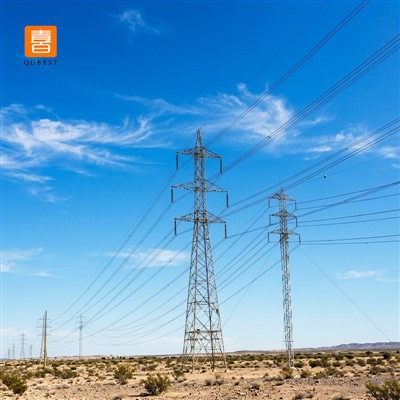
Whether you’re planning a new substation project or need to upgrade an existing one, we can provide you with customized solutions that meet your exact requirements. Our focus on quality, reliability, and innovation ensures that you’ll get the best substation structures for your investment.
Lattice Tower If you’re interested in learning more about our substation structures and how they can meet the requirements of your project in a hot region, we invite you to contact us. Our sales team is ready to discuss your project details, provide you with a quote, and answer any questions you may have. Let’s work together to build a reliable and efficient substation solution for your needs.
References
- "Design and Construction of Substations in Harsh Environments", Electrical Power Research Institute (EPRI)
- "Structural Engineering Handbook for High – Temperature Conditions", American Society of Civil Engineers (ASCE)
- "Materials Selection for Electrical Infrastructure in Hot Climates", Institute of Electrical and Electronics Engineers (IEEE)
- "Maintenance Practices for Substation Equipment in Extreme Environments", International Council on Large Electric Systems (CIGRE)
Qingdao BEST Steel Structure Co., Ltd.
Qingdao BEST Steel Structure Co., Ltd. is one of the most professional substation structures manufacturers and suppliers in China. We warmly welcome you to buy customized substation structures made in China here from our factory. If you have any enquiry about OEM service, please feel free to email us.
Address: Jiaobei Industrial Park, Qingdao, China
E-mail: sales@qdbsstower.com
WebSite: https://www.qdbsstower.com/
