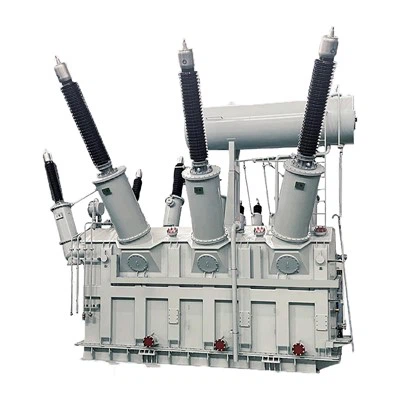
Frequency stability is a critical parameter for integrated transformers, especially in applications such as power electronics, communication systems, and sensor technology. As a supplier of integrated transformers, I understand the challenges and importance of achieving high – frequency stability. In this blog, I will share some practical methods to improve the frequency stability of integrated transformers based on our experience in the industry. Integrated Transformer
Understanding the Basics of Frequency Stability in Integrated Transformers
Before delving into the improvement methods, it’s essential to understand what frequency stability means in the context of integrated transformers. Frequency stability refers to the ability of a transformer to maintain a consistent performance over a specified frequency range. Instabilities can manifest as variations in output voltage, phase shift, or signal distortion, which can severely impact the functionality of the overall system.
The frequency stability of an integrated transformer is affected by several factors:
- Core Material Properties: The magnetic properties of the core material, such as permeability and hysteresis, play a significant role in determining the transformer’s frequency response. Variations in these properties due to temperature changes, mechanical stress, or material aging can lead to frequency instability.
- Winding Design: The number of turns, winding configuration, and inter – winding capacitance can all influence the transformer’s resonant frequency and impedance characteristics. Poor winding design can result in resonance effects that cause fluctuations in the frequency response.
- External Environmental Factors: Temperature, humidity, and electromagnetic interference (EMI) from the surrounding environment can also affect the performance of integrated transformers. For example, temperature changes can alter the electrical and magnetic properties of the core and winding materials, leading to frequency drift.
Methods to Improve Frequency Stability
1. Selection of High – Quality Core Materials
The choice of core material is crucial for achieving high – frequency stability. We recommend using materials with low hysteresis loss and high magnetic permeability over a wide frequency range. For example, ferrite cores are popular in integrated transformers due to their excellent high – frequency performance and low cost.
- Nickel – Zinc (NiZn) Ferrites: These ferrites have a high resistivity and are suitable for applications in the high – frequency range (from a few kHz to several MHz). They exhibit low eddy current losses, which helps to maintain stable performance over a wide frequency spectrum.
- Manganese – Zinc (MnZn) Ferrites: MnZn ferrites have higher magnetic permeability compared to NiZn ferrites, making them ideal for low – to – medium – frequency applications (up to a few hundred kHz). They can store more magnetic energy, which is beneficial for power conversion applications.
In addition to the material type, the quality of the core manufacturing process also matters. We ensure that our cores are produced with tight tolerances to minimize variations in magnetic properties, which helps to improve the overall frequency stability of the integrated transformers.
2. Optimized Winding Design
A well – designed winding can significantly enhance the frequency stability of an integrated transformer. Here are some key considerations in winding design:
- Turn Ratio Optimization: The turn ratio of the primary and secondary windings should be carefully calculated based on the application requirements. A precise turn ratio helps to ensure stable voltage transformation and minimizes the impact of impedance mismatches on the frequency response.
- Winding Configuration: Different winding configurations, such as single – layer, multi – layer, or interleaved windings, can have different effects on the transformer’s performance. Interleaved windings, for example, can reduce the inter – winding capacitance, which helps to suppress resonance effects and improve the high – frequency stability.
- Use of High – Quality Conductors: The choice of conductor material and its cross – sectional area can also affect the frequency stability. We use high – purity copper conductors with low resistance to minimize power losses and ensure stable current flow, especially at high frequencies.
3. Thermal Management
Temperature is one of the most critical external factors that can affect the frequency stability of integrated transformers. As the temperature changes, the electrical and magnetic properties of the core and winding materials can vary, leading to frequency drift. Therefore, effective thermal management is essential.
- Heat Sink Design: We incorporate heat sinks into our integrated transformer designs to dissipate heat efficiently. Heat sinks with high thermal conductivity can help to maintain a stable operating temperature, reducing the impact of temperature variations on the transformer’s performance.
- Thermal Insulation: In some applications, thermal insulation can be used to protect the transformer from external temperature fluctuations. This can help to create a more stable thermal environment for the transformer, improving its frequency stability.
4. Shielding and EMI Suppression
Electromagnetic interference (EMI) from the surrounding environment can also cause frequency instability in integrated transformers. To mitigate this problem, we use shielding techniques and EMI suppression components.
- Magnetic Shielding: Magnetic shields made of high – permeability materials can be used to protect the transformer from external magnetic fields. These shields can redirect the magnetic flux, reducing the interference with the transformer’s internal magnetic circuit.
- EMI Filters: EMI filters can be integrated into the transformer design to suppress high – frequency noise and interference. These filters can help to ensure a clean and stable input and output signal, improving the overall frequency stability of the transformer.
Testing and Validation
To ensure that our integrated transformers meet the required frequency stability specifications, we conduct rigorous testing and validation procedures. Some of the key tests include:
- Frequency Response Testing: We use network analyzers to measure the transformer’s frequency response over a wide frequency range. This helps us to identify any resonance effects, phase shifts, or other frequency – dependent anomalies.
- Temperature Coefficient Testing: We measure the temperature coefficient of the transformer’s key parameters, such as inductance and output voltage, over a specified temperature range. This allows us to quantify the impact of temperature on the frequency stability and make necessary adjustments to the design.
- Long – Term Stability Testing: We subject the transformers to long – term aging tests to simulate real – world operating conditions. By monitoring the performance of the transformers over an extended period, we can ensure that they maintain their frequency stability over time.
Conclusion
Improving the frequency stability of integrated transformers is a complex but achievable goal. By carefully selecting the core materials, optimizing the winding design, implementing effective thermal management and EMI suppression techniques, and conducting thorough testing and validation, we can produce integrated transformers with high – frequency stability.
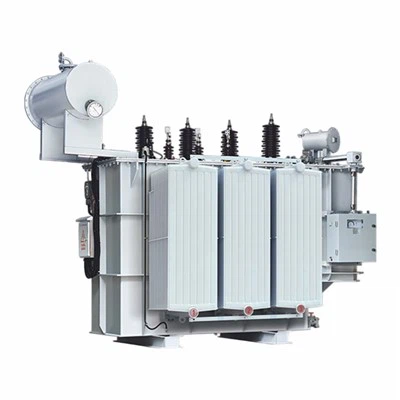
As a supplier of integrated transformers, we are committed to providing our customers with products that meet the highest quality standards. Our team of experienced engineers and technicians is constantly working on research and development to improve our manufacturing processes and product performance.
Conventional Power Transformer If you are interested in purchasing high – frequency stable integrated transformers for your applications, please feel free to contact us for a detailed discussion. We are more than happy to offer customized solutions based on your specific requirements.
References
- "Magnetic Materials and Their Applications" by E. C. Snelling
- "Power Electronics: Converters, Applications, and Design" by Ned Mohan, Tore M. Undeland, and William P. Robbins
- IEEE Transactions on Power Electronics, various issues related to transformer design and performance
Nantong Yawei New Energy Technology Co., Ltd.
As one of the most professional integrated transformer manufacturers and suppliers in China, we’re featured by quality products and good service. Please rest assured to wholesale durable integrated transformer made in China here from our factory. Customized orders are welcome.
Address: Room 28-101, Building 27 and 28, No.333 Kaiyuan Avenue, Sunzhuang Subdistrict, Hai’an City, Nantong City, Jiangsu Province, China
E-mail: admin@nantongyawei.com
WebSite: https://www.nantongyawei.com/
