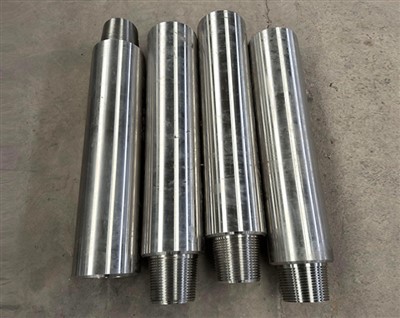
Coal mining is a complex and challenging industry, and the handling of coal with high hardness is a particularly daunting task. As a trusted supplier of non – magnetic tools for coal, I’ve witnessed firsthand the importance of having the right equipment to tackle this tough job. In this blog, I’ll explore how non – magnetic tools effectively handle high – hardness coal, and why they’re a game – changer in the coal mining sector. Non-Magnetic Tools for Coal
Understanding High – Hardness Coal
Before delving into how non – magnetic tools handle high – hardness coal, it’s essential to understand what high – hardness coal is. High – hardness coal typically contains a significant amount of minerals and has a high density. This makes it more difficult to break, cut, and transport compared to softer coal varieties.
The high hardness of this coal can be attributed to its geological formation. Over millions of years, the coal has been subjected to high pressure and temperature, resulting in a more compact and rigid structure. Additionally, the presence of minerals such as quartz, feldspar, and pyrite further increases its hardness. These minerals can cause excessive wear on traditional tools, leading to frequent tool replacements and increased downtime.
The Limitations of Conventional Tools
Conventional tools used in coal mining are often made of magnetic materials, such as iron and steel. While these materials are strong and durable, they have several limitations when it comes to handling high – hardness coal.
First, magnetic tools are prone to attracting magnetic particles present in the coal. These particles can accumulate on the tool’s surface, reducing its effectiveness and causing premature wear. For example, if a magnetic drill bit is used to drill into high – hardness coal, the magnetic particles in the coal can stick to the drill bit, making it difficult to penetrate the coal and reducing its cutting efficiency.
Second, the high hardness of the coal can cause rapid wear and tear on conventional tools. The abrasive nature of the coal can quickly dull the cutting edges of the tools, requiring frequent sharpening or replacement. This not only increases the cost of mining but also leads to significant downtime as the tools are replaced or repaired.
Advantages of Non – Magnetic Tools
Non – magnetic tools offer several advantages over conventional magnetic tools when it comes to handling high – hardness coal.
1. Resistance to Magnetic Interference
One of the primary advantages of non – magnetic tools is their resistance to magnetic interference. Since they are made of non – magnetic materials such as aluminum bronze, beryllium copper, and titanium, they do not attract magnetic particles. This means that the tools can operate more efficiently in the presence of high – hardness coal without being affected by magnetic contaminants.
For example, a non – magnetic chisel made of aluminum bronze can be used to break up high – hardness coal without the worry of magnetic particles sticking to it. This allows the chisel to maintain its cutting edge for a longer period, reducing the need for frequent sharpening and replacement.
2. High Strength and Durability
Non – magnetic tools are designed to be strong and durable, making them suitable for handling high – hardness coal. Materials like beryllium copper and titanium have excellent mechanical properties, including high tensile strength and hardness. These properties enable the tools to withstand the high forces and pressures encountered during coal mining operations.
A non – magnetic drill bit made of titanium can drill through high – hardness coal with ease. The high strength of the titanium material allows the drill bit to maintain its shape and cutting efficiency even under extreme conditions, reducing the risk of breakage and prolonging its service life.
3. Corrosion Resistance
High – hardness coal often contains moisture and various chemicals, which can cause corrosion in conventional tools. Non – magnetic tools, however, are typically made of materials that are resistant to corrosion. For instance, aluminum bronze and beryllium copper have excellent corrosion resistance properties, making them ideal for use in the harsh environment of coal mines.
This corrosion resistance ensures that the tools remain in good working condition for a longer time, reducing the maintenance costs associated with tool replacement and repair. A non – magnetic shovel made of beryllium copper can withstand the corrosive effects of the coal and the mining environment, ensuring reliable performance over an extended period.
How Non – Magnetic Tools Handle High – Hardness Coal
1. Cutting and Drilling
Non – magnetic cutting and drilling tools are specifically designed to handle high – hardness coal. For cutting, non – magnetic saw blades with carbide tips are commonly used. The carbide tips are extremely hard and can easily cut through the tough coal. The non – magnetic nature of the blade ensures that it is not affected by magnetic interference, allowing for smooth and efficient cutting.
In the case of drilling, non – magnetic drill bits made of high – strength materials like titanium are used. These drill bits are designed with sharp cutting edges and a unique flute design to facilitate the removal of coal dust during drilling. The high strength of the titanium material enables the drill bit to penetrate the high – hardness coal without breaking or losing its cutting efficiency.
2. Breaking and Chipping
When it comes to breaking and chipping high – hardness coal, non – magnetic chisels and hammers are the tools of choice. Non – magnetic chisels made of aluminum bronze or beryllium copper are strong enough to break up the coal without being damaged by the impact. The non – magnetic property of these chisels ensures that they do not attract magnetic particles, maintaining their effectiveness.
Non – magnetic hammers, on the other hand, provide the necessary force to drive the chisels into the coal. These hammers are designed to be well – balanced and durable, allowing miners to apply sufficient force without causing excessive strain on their hands and arms.
3. Loading and Transporting
Non – magnetic tools are also used for loading and transporting high – hardness coal. Non – magnetic shovels and scoops are used to load the coal onto trucks or conveyor belts. These tools are made of materials that are resistant to wear and corrosion, ensuring that they can withstand the abrasive nature of the coal and the rough handling during loading operations.
Non – magnetic tongs and clamps are used to secure the coal during transportation. These tools provide a firm grip on the coal, preventing it from shifting or falling during transit.
Real – World Applications
In real – world coal mining operations, non – magnetic tools have proven to be highly effective in handling high – hardness coal. Many coal mines around the world have switched to using non – magnetic tools to improve their mining efficiency and reduce costs.
For example, in a large – scale coal mine in Australia, the use of non – magnetic drill bits has significantly reduced the downtime associated with tool replacement. The drill bits can operate for longer periods without losing their cutting efficiency, allowing the mine to increase its daily coal production.
In another coal mine in the United States, non – magnetic shovels have been used to load high – hardness coal. The shovels’ resistance to wear and corrosion has extended their service life, resulting in substantial cost savings for the mine.
Conclusion and Call to Action
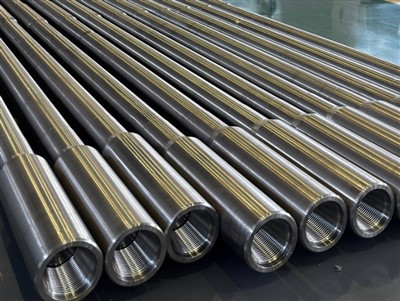
Handling high – hardness coal is no easy feat, but with the right non – magnetic tools, coal mining operations can be made more efficient, cost – effective, and reliable. As a supplier of non – magnetic tools for coal, I’m committed to providing the highest quality tools that meet the specific needs of the coal mining industry.
Non-Magnetic Tools for Coal If you’re in the coal mining business and are looking for reliable non – magnetic tools to handle high – hardness coal, I invite you to contact me for a detailed discussion. We can explore the best tool solutions for your specific mining requirements, ensuring that you get the most out of your operations.
References
- ASTM International. "Standard Specification for Aluminum – Bronze Alloy Castings for General Applications." ASTM B148.
- ASM Handbook Committee. "ASM Handbook Volume 2: Properties and Selection: Nonferrous Alloys and Special – Purpose Materials." ASM International, 2001.
- Callister, William D., Jr. "Materials Science and Engineering: An Introduction." John Wiley & Sons, 2010.
Shanxi Zhonghe Non-Magnetic Drill Tool Co., Ltd.
As one of the most professional non-magnetic tools for coal manufacturers and suppliers in China, we also support customized service. With abundant experience, we warmly welcome you to buy high quality non-magnetic tools for coal for sale here from our factory. Contact us for more details.
Address: No.168 Fenglei Street, Houma City, Linfen City, Shanxi Province, China.
E-mail: lucy@nmdrillcollar.com
WebSite: https://www.zhnmdc.com/
