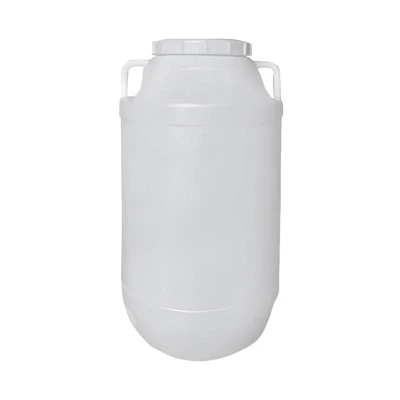
Hey everyone, if you’ve ever ordered chemicals, food-grade liquids, or even construction supplies, chances are you’ve interacted with a plastic drum—those 5-gallon or 55-gallon workhorses that show up everywhere, right? I’ve been in the plastic drum game for over a decade now, and one question I get all the time from new customers is, “How flexible are these things, anyway?” Folks usually picture a hard, unyielding container that only works for one specific job, but trust me, the flexibility of plastic drums is way more interesting (and useful) than that. Let me break this down like I would to a regular guy stopping by our warehouse for a quick chat. Plastic Drum

First off, let’s get one thing straight: when we talk about plastic drum flexibility, we’re not talking about bending a drum in half like a soda can (though I’ve seen some wild attempts in the warehouse when we’re moving heavy pallets). We’re talking about two key types: material flexibility (what the plastic itself can handle) and use-case flexibility (what you can actually put in these drums, where you can use them, and how you can modify them). Most people don’t realize that not all plastic drums are made the same. The stuff we use here for general-purpose drums is high-density polyethylene, or HDPE, which is the workhorse of plastic packaging. HDPE is rigid enough to hold 55 gallons of liquid without collapsing, but it has a little give to it—like a yoga mat, not a brick. That give is what makes it flexible enough to survive being dropped off a pallet, rolled across a loading dock, or even sitting in a semi-truck for 3 days bouncing over potholes without cracking.
Wait, let’s dive into the material science a little, but keep it simple. HDPE is a thermoplastic, which means it softens when heated and hardens again when cooled—but crucially, it doesn’t break down (well, not quickly) when you flex it repeatedly. That’s called impact resistance, and it’s a big part of why plastic drums are so flexible for shipping and handling. I remember a customer a couple years back who runs a small chemical distribution business—they were using steel drums before, and every time a truck hit a bump, a few would dent so bad they couldn’t stack them. They switched to our HDPE drums, and even though a couple got scraped up in transit, none dented enough to leak or be unusable. The slight flexibility of the plastic absorbed that impact, no problem.
Now, the use-case flexibility is where plastic drums really shine. Let’s start with what you can put in them. Food-grade HDPE drums are flexible enough to meet FDA regulations for everything from maple syrup to vegetable oil to even pickling brine. The plastic is non-reactive, so it doesn’t leave a weird aftertaste or contaminate whatever’s inside—and because it’s flexible, you can even squeeze it a little to get the last drop out if you’re running a small operation and don’t want to waste product. Then there are chemical-grade drums, which are made with denser HDPE that can handle corrosive stuff like cleaning agents, industrial solvents, and even some agricultural chemicals. The flexibility here means they don’t crack when you add those chemicals, and they don’t leach any harmful materials into the contents—something steel drums can’t always do, since metal reacts with some chemicals.
But wait, it’s not just liquids. I’ve seen customers use plastic drums for all kinds of things that aren’t what I’d call “traditional drum uses.” A local gardener uses cut-down 55-gallon drums as raised garden beds—they’re light enough to move around, and the flexibility means they don’t crack when you fill them with soil and set them on uneven ground. Another customer runs a small construction business that uses drums as temporary water tanks for job sites—they can stack them when they’re empty to save space, and when full, the HDPE’s flexibility lets it hold up even if someone accidentally knocks a ladder into it (trust me, I’ve dealt with my fair share of that at job sites). We even had a guy use a couple of drums as the base for a small floating dock on his lake—drums are buoyant, and their flexibility means they don’t splinter or crack when you walk on them, unlike wooden barrels. That’s the kind of flexibility most people don’t even think about.
Another big part of flexibility is how easy plastic drums are to modify. Unlike steel drums, which require welding or special tools to cut, you can cut, drill, and paint HDPE drums with regular household tools. Need a 10-gallon drum for a small batch brewery? Just cut a 55-gallon drum down to size. Need a spigot for dispensing liquid? Drill a hole and pop in a plastic spigot kit—done in 10 minutes. I’ve even seen art teachers use them as bases for giant sculptures, since you can cut them into any shape you want without the drum losing its structural integrity (as long as you don’t go too crazy). That level of adaptability is what makes plastic drums so popular with small businesses, hobbyists, and everyone in between—you don’t have to buy a whole new container if you just need to tweak it a little.
But here’s the thing: flexibility isn’t one-size-fits-all. You can’t use a general-purpose HDPE drum for everything, and that’s where we come in as a supplier. For example, if you’re handling hazardous materials that need to be shipped cross-country, you need a drum with a little more rigidity—we call them UN-rated drums, and their flexibility is balanced to meet strict shipping standards: they can handle extreme temperatures, pressure changes at high altitudes, and rough handling without failing. If you’re using drums for cold storage, like keeping liquid fertilizers or food products frozen, HDPE’s flexibility actually works to its advantage—metal drums get brittle in cold temps and crack, but HDPE stays flexible even in freezing conditions. On the flip side, if you’re using drums for hot liquids (like up to 180 degrees Fahrenheit), we have special high-temperature HDPE drums that don’t soften or warp, because regular HDPE would get floppy and lose its shape.
I’ve had customers tell me they used to buy steel drums because they thought plastic drums were too flimsy, but after working with us, they switched entirely. One chemical plant manager told me that before plastic drums, they’d have 5-10 steel drums leak every month from being dropped or dented. Now, with our HDPE drums, they’ve only had one leak in two years—and that was from a drum that got run over by a forklift (oops, that’s on the warehouse guy, not the drum). The flexibility of the plastic meant it only had a small puncture, not a big tear, so they were able to patch it and reuse it instead of tossing the whole thing. That’s a big cost saver right there.
Wait, let’s talk about something people don’t usually mention: temperature flexibility. Plastic drums can handle way wider temperature ranges than most people realize. In the winter, if you’re storing drums outside in Minnesota, the HDPE doesn’t get brittle and crack like glass or metal does—its slight flexibility lets it expand and contract with temperature changes without breaking. In the summer, if you’re storing drums in a hot warehouse in Texas, the plastic doesn’t melt or warp (as long as it’s the right grade) because the molecular structure of HDPE holds up. I remember a customer in Arizona who stored drums of liquid soap in their outdoor lot—they had drums for 5 years, and even when temps hit 115 degrees, the drums didn’t deform or leak. That temperature flexibility is a huge reason plastic drums are so popular for outdoor storage and shipping.
Another angle: sustainability flexibility. A lot of folks ask if plastic drums are eco-friendly, and here’s the thing—their flexibility means they can be reused over and over, and recycled when they’re done. Unlike metal drums, which often have to be stripped and reconditioned (a process that uses a lot of energy), HDPE drums can be melted down and turned into new drums, plastic lumber, or even playground equipment. The flexibility of the material makes it easy to process for recycling—you don’t have to worry about it breaking into sharp pieces that are hard to handle. We even have customers who collect our used drums, clean them, and resell them, which cuts down on waste and saves them money. That’s a whole other layer of flexibility that ties into being more sustainable.
Now, I get it—no product is perfect, and plastic drums do have limits to their flexibility. For example, if you try to force a drum to bend way beyond its designed capacity (like sitting on a 55-gallon drum that’s empty and using it as a chair—don’t do that, I’ve seen drums collapse), it will break. Or if you use a general-purpose drum for a highly corrosive chemical that it’s not rated for, the plastic can degrade over time, losing its flexibility and eventually cracking. That’s why it’s important to talk to someone who knows what they’re doing (hi, that’s us) before you buy drums—we can help you pick the right grade, size, and rating for your specific use, so you get the flexibility you need without running into problems.
Let me give you a real example. Last year, a small startup that makes craft soda came to us. They needed drums to store concentrated fruit syrups, and they were worried about flexibility because they wanted to ship the syrups to different bottling plants without leaks. We recommended our food-grade UN-rated drums—they’re flexible enough to handle the vibration of shipping, non-reactive with the syrups, and easy to clean and reuse when they’re done. The startup’s owner told us later that they saved over $10,000 in the first year alone by using our drums instead of glass jugs or metal drums, because the flexibility of the plastic meant fewer broken containers and no leaks during transit. That’s the kind of win we love to see.
So to wrap this up, the flexibility of plastic drums isn’t just a random trait—it’s a combination of material science, design, and adaptability that makes these containers work for millions of different uses. From storing food and chemicals to being used as garden beds or floating docks, plastic drums are way more versatile than most people give them credit for. But the key is working with a supplier who understands that flexibility isn’t one-size-fits-all—we can help you find the exact drum that has the right balance of rigidity and give for your specific job, whether you need drums for shipping hazardous materials, storing food, or even a fun DIY project.
If you’re tired of containers that are too rigid, too flimsy, or just don’t work for what you need, reach out to us. We can talk through your project, answer any questions you have about flexibility, and get you the right drums at a fair price. No pressure, no sales jargon—just a couple of guys who know plastic drums like the back of their hands, ready to help you out.
Sealed Drum References:
- American Chemistry Council. (2022). HDPE Properties and Applications for Packaging and Industrial Containers. Retrieved from industry technical documentation
- International Organization for Standardization. (2019). ISO 15750: Plastics — High-density polyethylene (HDPE) molding and extrusion materials — Classification and designation.
- U.S. Food and Drug Administration. (2021). Food Contact Substances: High-Density Polyethylene (HDPE) Resins. Retrieved from FDA food packaging safety guidelines
Jiangsu Xinhuasheng Packaging New Materials Co., Ltd.
Jiangsu Xinhuasheng Packaging New Materials Co., Ltd. is one of the most professional plastic drum manufacturers and suppliers in China, featured by quality products and low price. Please rest assured to wholesale durable plastic drum in stock here and get quotation from our factory. Customized orders are welcome.
Address: No. 5 Tieta Road, Industrial Park, Guyang Town, Dantu District, Zhenjiang City, Jiangsu Province, China.
E-mail: manager@jsxhsgs.com
WebSite: https://www.xhsibc.com/
