Do portable diesel generators require a special license to operate?
As a supplier of portable diesel generators, I often get asked whether operating these machines requires a special license. This is an important question for both individuals and businesses considering purchasing a diesel generator, as the answer can have significant legal and practical implications. In this blog, I will delve into the details of when licenses are necessary and when they are not, providing you with the information you need to make an informed decision. Portable Diesel Generator
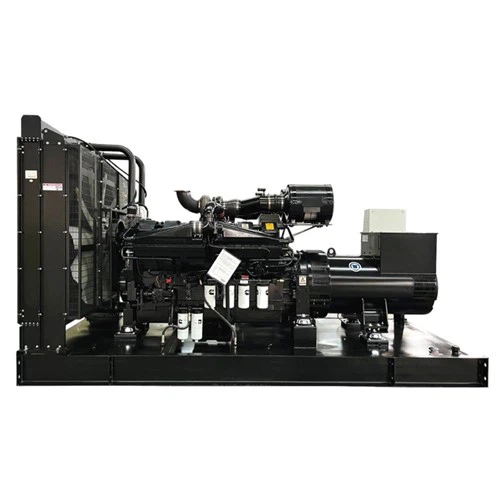
Understanding Portable Diesel Generators
Before we discuss licensing requirements, it’s essential to understand what portable diesel generators are and how they are used. Portable diesel generators are self – contained power units that use diesel fuel to generate electricity. They are highly versatile and can be used in a variety of settings, including construction sites, outdoor events, and as backup power sources for homes and small businesses during power outages.
The attractiveness of portable diesel generators lies in their portability, reliability, and fuel efficiency. Diesel engines are known for their durability and ability to run for long periods without significant maintenance. Additionally, diesel fuel is relatively easy to store and transport, making these generators a practical choice for many applications.
General License Requirements
The need for a special license to operate a portable diesel generator varies widely depending on the location and the specific use of the generator. In many cases, for small – scale, residential use of a portable diesel generator, no special license is required. For example, if you are using a generator at your home during a power outage to run essential appliances like a refrigerator, lights, or a heater, you typically do not need a license. This is because the operation is considered a personal, emergency use and does not pose a significant risk to public safety or the environment.
However, when it comes to commercial or industrial use, the situation is often different. In many regions, operating a diesel generator for commercial purposes may require a license. This is because commercial use usually involves larger – capacity generators that can have a greater impact on the environment and public safety. For instance, construction companies using generators on job sites may need to obtain a permit to ensure that the generator meets local emissions standards and safety regulations.
Factors Affecting License Requirements
Several factors can influence whether a license is required to operate a portable diesel generator:
Generator Size and Capacity: Larger generators with higher power outputs are more likely to require a license. These generators typically produce more emissions and noise, which can have a greater impact on the environment and surrounding communities. For example, a 10 – kilowatt generator used for a small backyard party may not need a license, while a 100 – kilowatt generator used at a large construction site will almost certainly require one.
Location: The location where the generator is being used is a crucial factor. Different states, provinces, and municipalities have their own rules and regulations regarding generator use. Urban areas often have stricter regulations due to the higher population density and the potential for noise and air pollution to affect more people. In contrast, rural areas may have more lenient rules. For example, in a large city center, running a generator during certain hours may be prohibited altogether, and a license may be required even for short – term use.
Duration of Use: The length of time the generator is in operation can also determine if a license is needed. Short – term, intermittent use, such as during a one – day outdoor event, may not require a license. However, continuous, long – term use, like in a construction project that lasts several months, is more likely to necessitate a permit.
Purpose of Use: As mentioned earlier, commercial and industrial uses generally have more stringent licensing requirements compared to residential use. If the generator is being used to power a business operation, it may need to comply with additional safety and environmental regulations, and a license will likely be required.
Environmental and Safety Regulations
In addition to licensing, portable diesel generators are subject to various environmental and safety regulations. These regulations are in place to protect public health and the environment from the potential negative impacts of generator use.
Emissions Standards: Diesel generators produce pollutants such as nitrogen oxides (NOx), particulate matter (PM), and carbon monoxide (CO). Many countries and regions have established emissions standards that generators must meet. For example, in the United States, the Environmental Protection Agency (EPA) has set strict emissions standards for diesel engines, including those used in portable generators. To comply with these standards, generators may need to be equipped with emission control technologies, such as diesel particulate filters (DPFs) and selective catalytic reduction (SCR) systems.
Noise Regulations: Noise pollution is another concern associated with generator use. Excessive noise can cause annoyance, stress, and even hearing damage to nearby residents and workers. Local governments often have noise regulations that limit the amount of noise a generator can produce. These regulations may specify maximum noise levels at certain distances from the generator and may require the use of noise – reducing enclosures or mufflers.
Safety Regulations: Safety is of utmost importance when operating a portable diesel generator. Generators must be installed and used in accordance with safety standards to prevent fires, electrical shocks, and other hazards. For example, generators should be placed in well – ventilated areas to prevent the buildup of carbon monoxide, and they should be properly grounded to avoid electrical accidents.
How to Check License Requirements
If you are unsure whether you need a license to operate a portable diesel generator, the best course of action is to contact your local government authorities. This could be the city or county planning department, the environmental protection agency, or the fire department. These agencies can provide you with detailed information about the specific regulations in your area and guide you through the licensing process if necessary.
You can also consult with industry associations or legal professionals who specialize in energy and environmental law. They can offer valuable advice and help you navigate the complex regulatory landscape.
The Role of Our Company
As a portable diesel generator supplier, we are committed to providing our customers with not only high – quality generators but also the information they need to operate them legally and safely. We work closely with our customers to understand their needs and ensure that they are aware of all relevant regulations.
Our team of experts can assist you in selecting the right generator for your specific application, taking into account factors such as power requirements, emissions standards, and noise regulations. We can also provide guidance on installation and maintenance to ensure that your generator operates efficiently and safely.

If you are interested in learning more about our portable diesel generators or need help understanding the licensing requirements in your area, please don’t hesitate to reach out to us. Whether you are a homeowner looking for a backup power solution or a business owner in need of a reliable power source for your operations, we have the expertise and products to meet your needs.
Industrial Diesel Generator Set In conclusion, the question of whether a special license is required to operate a portable diesel generator does not have a one – size – fits – all answer. It depends on a variety of factors, including the size of the generator, its location, the duration of use, and the purpose of use. By understanding these factors and working with a knowledgeable supplier, you can ensure that you are in compliance with all relevant regulations and make the most of your portable diesel generator.
References
- Environmental Protection Agency (EPA). Diesel Engine Emissions Standards.
- Local government regulations and ordinances regarding generator use and emissions.
- Industry publications and guidelines on portable diesel generator safety and operation.
Dianbida Power Equipment (Jiangsu) Co., Ltd.
We’re well-known as one of the leading portable diesel generator manufacturers and suppliers in China. We warmly welcome you to buy advanced portable diesel generator at competitive price from our factory. If you have any enquiry about pricelist and quotation, please feel free to email us.
Address: No. 23, Nanhuan Road, Jiangdu District, Yangzhou City, Jiangsu Province
E-mail: 19962469616@163.com
WebSite: https://www.js-dbdpower.com/
