In the world of industrial materials, polypropylene (PP) woven fabric has carved out a significant niche due to its versatility and durability. As a supplier of high – quality PP woven fabric, I often encounter questions from customers about its physical properties, especially its ability to be bent and folded. In this blog, we will delve into the science behind PP woven fabric and explore whether it can be bent and folded easily. PP Woven Fabric
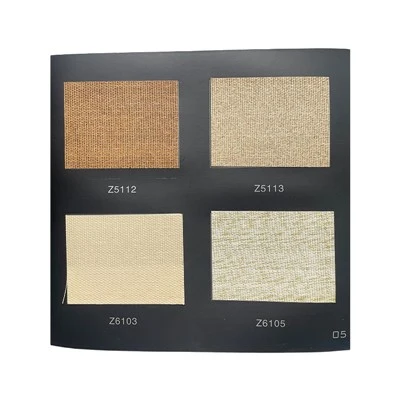
Understanding PP Woven Fabric
PP woven fabric is made from polypropylene, a thermoplastic polymer known for its excellent chemical resistance, low density, and high strength – to – weight ratio. The fabric is produced by weaving flat tapes or monofilaments of polypropylene together. The weaving process can vary, resulting in different types of PP woven fabrics with distinct characteristics such as different weights, thicknesses, and patterns.
One of the reasons for the popularity of PP woven fabric is its wide range of applications. It is used in industries like agriculture for making crop covers and nursery bags, in packaging for producing sacks to store grains, fertilizers, and other commodities, and even in construction for ground stabilizers and geotextiles. The varying applications imply different requirements for the fabric’s flexibility, and this brings us to the core question: can it be bent and folded easily?
Physical Factors Affecting Bendability and Foldability
Material Composition
The pure polypropylene used in the fabric manufacturing inherently gives it a certain level of flexibility. Polypropylene has a relatively low glass – transition temperature, which means it remains in a flexible state at normal ambient temperatures. This characteristic allows the individual polypropylene tapes or filaments in the woven structure to move relative to each other when subjected to bending or folding forces.
However, the addition of additives can change this. Some additives are used to enhance UV resistance, flame retardancy, or increase the fabric’s stiffness. For example, if a large amount of a filler material is added to improve the fabric’s strength, the internal structure of the polypropylene becomes more rigid, and this may reduce its ability to bend and fold easily.
Weaving Structure
The way the polypropylene tapes are woven together also plays a crucial role. There are different weaving patterns, such as plain weave, twill weave, and satin weave. Generally, a plain weave, where the weft and warp yarns cross over each other in a simple 1 – over – 1 – under pattern, creates a more regular and uniform fabric. This type of weave allows for a certain degree of flexibility, as the yarns can easily shift and slide past each other during bending or folding.
On the other hand, a twill or satin weave, which has a more complex interlacing pattern, may restrict the movement of the yarns. In a twill weave, the diagonal pattern gives the fabric some unique properties, but it also makes it relatively stiffer in some directions compared to a plain – woven fabric. This means that a twill – woven PP fabric might not be as easily bent or folded, especially if the force is applied against the grain of the diagonal pattern.
Fabric Thickness and Weight
Thicker and heavier PP woven fabrics are generally less flexible than thinner, lighter ones. A thicker fabric has more material in cross – section, and the internal friction between the polypropylene layers or filaments is higher. When trying to bend or fold a thick PP woven fabric, more force is required to overcome this internal resistance.
For example, a light – weight PP woven fabric used for making small consumer product bags can be easily bent and folded by hand, while a heavy – duty industrial fabric used for bulk grain storage may require machinery to be folded or bent into shape.
Practical Testing and Real – World Experience
Through years of supplying PP woven fabric, I have witnessed firsthand how different products perform in terms of bendability and foldability. In our testing facilities, we often subject samples of various fabrics to bending and folding tests.
We measure the force required to achieve a certain degree of bend or fold using a tensometer. This helps us quantify the flexibility of the fabric objectively. Our tests have shown that for most of our standard – grade, plain – woven PP fabrics, they can be bent and folded with relative ease by hand. These fabrics are often used in everyday applications such as retail packaging, where the ability to handle the material easily without breaking is essential.
In real – world scenarios, customers have reported positive experiences with our PP woven fabrics. For instance, a customer in the food packaging industry found that our fabric could be easily folded to create custom – shaped containers for snacks. The fabric maintained its integrity even after multiple folds, and the edges did not fray, which is a testament to its durability and foldability.
Advantages of Easy Bendability and Foldability
The ability of PP woven fabric to be bent and folded easily offers several advantages.
In storage and transportation, easily foldable fabric can be compacted into smaller volumes. This reduces the amount of space required for storage in warehouses and on trucks, leading to cost savings. For example, large rolls of PP woven fabric used for agricultural mulching can be easily folded and packed, making it more convenient to transport to farms.
In the manufacturing process, the flexibility allows for easy manipulation. It can be adapted to different product designs, whether it’s shaping a bag, creating a protective cover, or manufacturing a custom – sized container. This versatility gives manufacturers more options and helps in creating innovative products.
Limitations and Challenges
While PP woven fabric can generally be bent and folded, there are some limitations. If the bending or folding is too extreme, it can cause damage to the fabric. For instance, sharp folds at small radii can lead to stress concentrations in the polypropylene fibers. Over time, these stress points can cause the fibers to break, resulting in a weakened fabric structure.
In some cases, repeated bending and folding in the same place can lead to fatigue failure. The fabric may start to lose its strength and integrity, and eventually, holes or tears may develop. This is especially a concern in applications where the fabric is subject to continuous movement or mechanical stress.
Conclusion
In conclusion, PP woven fabric can usually be bent and folded easily, depending on various factors such as material composition, weaving structure, thickness, and weight. For most common applications, the inherent flexibility of polypropylene and the design of the woven structure allow for straightforward handling.
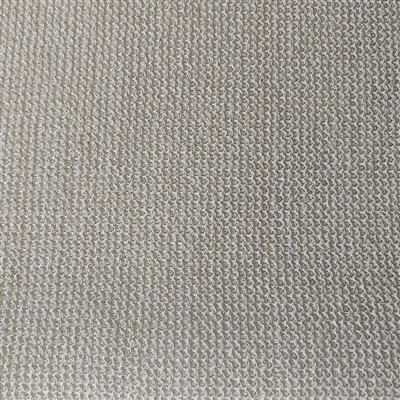
As a PP woven fabric supplier, we are committed to providing high – quality products that meet the diverse needs of our customers in terms of flexibility and other properties. We understand that the ability to bend and fold the fabric easily is crucial for many of our clients’ operations.
PP Woven Fabric If you are in need of PP woven fabric for your business, whether it’s for packaging, agriculture, construction, or any other application, we are here to assist you. Our team of experts can provide customized solutions based on your specific requirements for bendability, strength, and other features. We invite you to contact us for a detailed discussion on how our PP woven fabric can meet your needs and to start a procurement negotiation.
References
- Morton, W. E., & Hearle, J. W. S. (1997). Physical Properties of Textile Fibres. The Textile Institute.
- Mohamed, H. A., & El – Shahat, K. M. (2012). Polypropylene Fibers: Structure, Properties, Processing, and Applications. In Petroleum – based Fibers: Formation, Structure, Properties, and Applications.
Nanping Kingway New Material Co., Ltd.
As one of the most professional pp woven fabric manufacturers and suppliers in China, we also support customized service. With abundant experience, we warmly welcome you to wholesale durable pp woven fabric in stock here from our factory. If you have any enquiry about pricelist, please feel free to email us.
Address: No. 10, Chengnan Branch Road, Chengjiao Town, Nanping, Fujian, China.
E-mail: npjwxcl@aliyun.com
WebSite: https://www.suernew.com/
