Hey there! As a supplier of monitoring towers, I often get asked about what sets these bad boys apart from regular towers. It’s a fair question, especially when you’re looking to make the right choice for your needs. So, let’s dive into the nitty – gritty details and see what makes a monitoring tower unique. Monitoring Tower
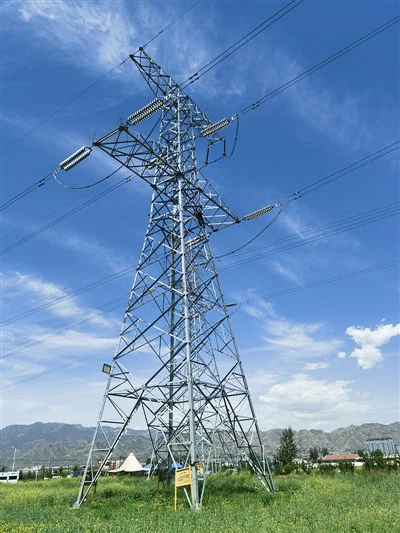
1. Purpose
First off, the purpose of these two types of towers is pretty different. A regular tower can have all sorts of functions. You’ve got communication towers, like those big ones for cell phones. They’re there to send and receive signals so we can all chat on our phones, stream videos, and post on social media. Then there are broadcast towers for TV and radio stations. Their job is to broadcast shows and music to our homes. There are also water towers that store water to provide pressure for a water supply system in a city or a small community.
On the flip side, a monitoring tower is all about gathering data. It’s equipped with sensors and instruments to keep tabs on different things. For example, in an environmental context, it can monitor air quality, tracking pollutants like particulate matter, sulfur dioxide, and ozone. It can also measure weather conditions such as temperature, humidity, wind speed, and direction. In industrial areas, monitoring towers are used to keep an eye on emissions from factories, making sure they’re within the legal limits.
2. Design and Structure
When it comes to design and structure, regular towers come in all shapes and sizes. Communication towers can be lattice towers, which look like giant metal frameworks. They’re strong and can support a lot of weight, like antennas and other communication equipment. Monopole towers are another type; they’re single – pole structures that are often used in urban areas because they’re more aesthetically pleasing and take up less space.
Monitoring towers, on the other hand, are designed with functionality in mind in relation to their monitoring tasks. They need to be stable enough to support the sensors and instruments without any vibrations or movement that could affect the accuracy of the data. They’re usually built with a platform at the top where the sensors are placed. The height of a monitoring tower is also crucial. It needs to be high enough to get a good view of the area being monitored. For instance, if you’re monitoring air quality in a large industrial complex, the tower needs to be tall enough to sample the air at a representative height, away from local ground – level disturbances.
3. Equipment and Technology
Regular towers are outfitted with equipment related to their specific functions. Communication towers have antennas for transmitting and receiving signals. These antennas can be different types, like omnidirectional antennas that send signals in all directions or directional antennas that focus the signal in a particular direction.
Monitoring towers are loaded with high – tech sensors. For environmental monitoring, there are gas sensors to detect different chemicals in the air. These sensors use various technologies, such as electrochemical sensors that react with the target gas and produce an electrical signal proportional to the gas concentration. There are also particulate matter sensors that use laser scattering or beta – attenuation methods to measure the amount of dust and other particles in the air.
In addition to air – related sensors, monitoring towers can have cameras for visual monitoring. These cameras can be used to detect things like smoke from a fire or changes in the landscape. There are also data loggers on monitoring towers. These devices collect and store the data from the sensors. They can be programmed to record data at specific intervals, like every few minutes or hours.
4. Maintenance Requirements
Maintenance for regular towers mainly focuses on keeping the equipment in working order. For communication towers, this means checking the antennas for damage, making sure the electrical connections are secure, and cleaning any debris that might have accumulated on the tower structure. Water towers need to be inspected for leaks, and the water inside needs to be treated regularly to prevent the growth of bacteria and other contaminants.
Monitoring towers have their own set of maintenance needs. The sensors need to be calibrated regularly to ensure accurate data collection. Calibration involves comparing the sensor’s readings with a known standard. This might need to be done monthly or quarterly, depending on the type of sensor and the environment it’s in.
The data loggers also require maintenance. The storage capacity needs to be monitored, and the data needs to be downloaded and backed up regularly. In addition, the tower structure itself needs to be inspected for any signs of corrosion, especially if it’s located in a harsh environment, such as near the ocean or in an area with high levels of air pollution.
5. Cost
Cost is always a factor when it comes to building and using towers. Regular towers can be pretty expensive to build, especially communication towers. The cost includes the materials, labor for construction, and obtaining the necessary permits. However, once they’re up and running, the ongoing costs are mainly related to maintenance and electricity.
Monitoring towers also have a significant upfront cost. The sensors and instruments are often quite expensive, especially the high – precision ones. The installation and calibration of these devices also add to the cost. But the real cost difference comes in the long – term. Monitoring towers usually require more frequent maintenance and data management. The cost of calibrating sensors and analyzing the data can add up over time.
Why Choose Our Monitoring Towers?
Now that you know the differences between monitoring towers and regular towers, you might be wondering why you should choose our monitoring towers. Well, we’ve been in the business for a long time, and we know what it takes to build a high – quality monitoring tower.
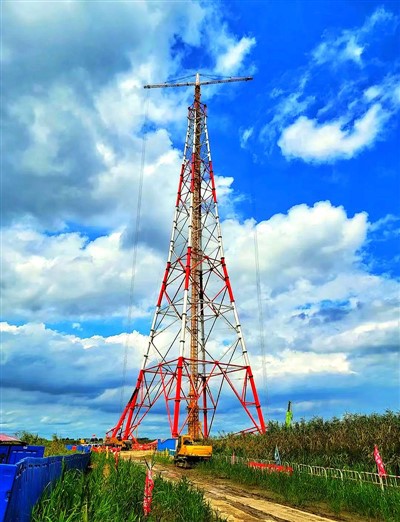
Our towers are designed with durability in mind. We use high – quality materials that can withstand harsh weather conditions and environmental factors. The sensors we use are state – of – the – art, providing accurate and reliable data. We also offer comprehensive maintenance services. Our team of experts can calibrate the sensors, download and analyze the data, and make sure the tower is in top – notch condition.
Lightning Protection Steel Tower If you’re in the market for a monitoring tower, whether it’s for environmental monitoring, industrial emissions control, or any other application, we’d love to talk to you. We can work with you to understand your specific needs and design a tower that fits your requirements. Don’t hesitate to reach out to us to start a discussion about your monitoring tower needs.
References
- "Environmental Monitoring Handbook"
- "Tower Engineering and Design"
- "Sensors and Instrumentation for Industrial Applications"
Hebei Yifeng Steel Structure Co., Ltd.
As one of the most professional monitoring tower manufacturers and suppliers in China, we offer a wide range of products with superior quality. Please feel free to buy cost-efficient monitoring tower for sale here from our factory. Contact us for more details.
Address: Guangchuan Town Industrial Zone, Jing County, Hengshui City, Hebei Province
E-mail: hbyfgjg@163.com
WebSite: https://www.yf-powertowers.com/
