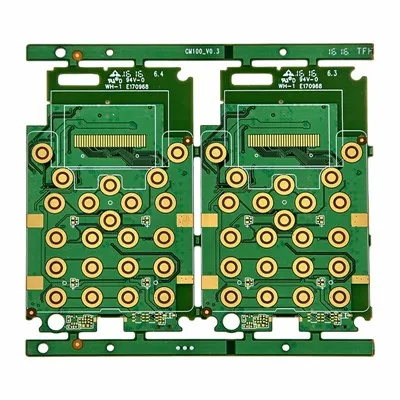
Yo! I’m a supplier of rigid PCBs, and today I wanna chat about what it takes to design rigid PCBs for automotive applications. It’s a whole different ballgame compared to regular PCB design, and there are some strict requirements we gotta meet. Rigid PCB
1. High – Reliability Standards
In the automotive world, reliability isn’t just a nice – to – have; it’s an absolute must. Cars are used in all sorts of crazy conditions, from scorching heat in the desert to freezing cold in the mountains. So, our rigid PCBs have to be able to handle these extreme temperatures.
We’re talking about a wide operating temperature range, usually from around – 40°C to 125°C or even higher in some cases. This means the materials we choose for the PCB are super important. For example, the substrate material needs to have a low coefficient of thermal expansion (CTE). If the CTE is high, the PCB can warp or crack as the temperature changes, which can lead to open circuits or short circuits.
We also can’t have any issues with solder joints. In a car, there’s a lot of vibration and shock. The solder joints on the PCB need to be strong enough to withstand this. We use high – quality solder materials and proper soldering techniques to ensure the joints are reliable. And we do a ton of testing, like vibration testing and thermal cycling tests, to make sure the PCBs can stand up to real – world conditions.
2. Electrical Performance
The electrical performance of rigid PCBs in automotive applications needs to be top – notch. There are a bunch of electronic systems in a car, like the engine control unit (ECU), the infotainment system, and the safety systems. Each of these systems has different electrical requirements.
For instance, the ECU needs to have very low electrical noise. Any interference can cause the engine to run poorly or even cause it to shut down. So, we design the PCB layout in a way that minimizes electromagnetic interference (EMI). This might involve using proper grounding techniques, separating high – speed and low – speed signals, and using shielding where necessary.
The PCB also needs to have good signal integrity. In high – speed communication systems, like those used in the advanced driver – assistance systems (ADAS), the signals need to travel accurately without any distortion. We use controlled impedance traces on the PCB to ensure that the signals are transmitted correctly.
3. Space and Weight Constraints
Cars are getting more and more high – tech, but they also need to be efficient in terms of space and weight. So, our rigid PCBs need to be designed to fit into tight spaces and be as lightweight as possible.
We do this by using advanced PCB design techniques. For example, we can use multi – layer PCBs to stack components and traces, which saves a lot of space. And we choose lightweight materials for the PCB and its components. But we still have to make sure that the PCB can perform its functions properly even with these space and weight limitations.
4. Automotive – Grade Components
When it comes to the components we use on our rigid PCBs for automotive applications, they have to be automotive – grade. These components are built to meet much stricter standards than regular components.
Automotive – grade components are more reliable, have a longer lifespan, and can withstand the harsh conditions inside a car. For example, the resistors, capacitors, and transistors we use need to have a high temperature rating and be able to handle the electrical stresses in an automotive environment.
5. Safety and Regulatory Compliance
Safety is a huge deal in the automotive industry. Our rigid PCBs need to be designed in a way that they don’t pose any safety risks. For example, they need to be well – insulated to prevent electrical shocks.
There are also a lot of regulatory standards that we need to comply with. In the United States, there are standards from the Federal Communications Commission (FCC) regarding EMI. In Europe, the RoHS (Restriction of Hazardous Substances) directive restricts the use of certain hazardous materials in electronic products, including PCBs. We have to make sure our PCBs meet all these standards to be able to sell them for automotive applications.
6. Design for Manufacturability and Assembly
It’s not just about the design on paper; we also need to think about how the PCB is going to be manufactured and assembled. We use design for manufacturability (DFM) and design for assembly (DFA) principles.
DFM means that we design the PCB in a way that it can be easily manufactured. For example, we make sure the trace widths and spacing are within the capabilities of our manufacturing equipment. DFA means that we design the PCB so that the components can be easily assembled onto it. This might involve leaving enough space around the components for the pick – and – place machines to work.
7. Long Product Lifecycle
Cars have a long product lifecycle, often 10 years or more. So, our rigid PCBs need to be designed to last that long. This means we need to use materials and components that have a long lifespan.
We also need to be able to support the PCBs over their entire lifecycle. This might involve providing technical support to the automotive manufacturers, as well as having the ability to make any necessary design changes or updates.
Conclusion
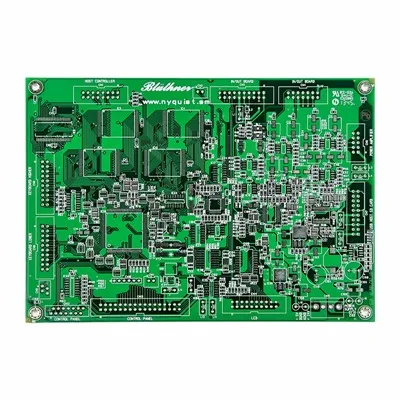
As you can see, designing rigid PCBs for automotive applications is a complex task. There are so many requirements in terms of reliability, electrical performance, space, safety, and more. But that’s what makes it exciting! At our company, we’ve got a team of experts who are really good at meeting these challenges.
Flex PCB If you’re in the automotive industry and you’re looking for a reliable rigid PCB supplier, we’d love to talk to you. Whether you’re working on a new electric car project or upgrading an existing vehicle’s electronics, we can help you design and manufacture the perfect rigid PCBs. Just reach out to us to start a discussion about your specific needs.
References
- IPC – 6012D: Qualification and Performance Specification for Rigid Printed Boards
- ISO/TS 16949: Quality management systems — Particular requirements for the application of ISO 9001:2015 for automotive production and relevant service part organizations
- RoHS Directive 2011/65/EU: Restriction of the use of certain hazardous substances in electrical and electronic equipment
Huaswin Electronics Technology Co., Ltd.
Address: Building A2, Hao Hai Hong Industrial Park, No.3 Yu He Road, Gong He, Sha Jing, Bao An, Shenzhen
E-mail: sales@huaswin.com
WebSite: https://www.huaswin-pcba.com/
