Hey folks, if you’ve ever hung around with industrial packaging, you’ve probably heard the word “functional containers” thrown around like it’s just another buzzword for boxes or bins. But if you’re here scrolling, you’re not here for the basic stuff—you’re here because you’ve either worked with these containers yourself, are in the market for new ones, or maybe you’ve been stuck late at night wondering (like I was a few months back) whether they’re actually immutable. Full transparency: I’m not a software dev—no offense to the code crew, I just fix the stuff that holds your parts, tools, and inventory so they don’t get lost or ruined. I’m a functional container supplier, and this question blew up my Slack last quarter after a client sent me a 3-paragraph email asking if they could “fudge some specs” on a custom batch because they “thought containers don’t change.” Let’s cut the jargon and break this down, no whiteboard required. Functional Containers
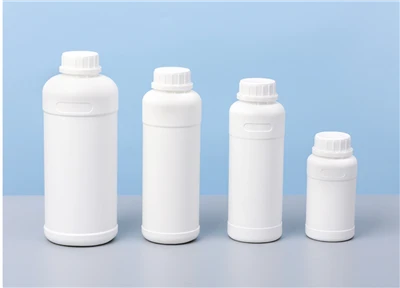
First off, let’s define what we’re actually talking about here, because “functional containers” gets mixed up with all sorts of other packaging. These aren’t the flimsy cardboard moving boxes that get tossed after one use, and they’re definitely not the disposable plastic takeout containers that end up in a landfill by the end of the week. Functional containers are the heavy-duty, reusable workhorses of warehouses, manufacturing floors, hospitals, and even construction sites. Think the plastic bins with lids that hold your factory’s precision metal bolts, the stainless steel bins a butcher uses to transport meat, the big plastic totes that hold medical supplies for field work, the bins that go on a warehouse’s picking line. They’re built for a specific job: protect contents, streamline inventory, cut down on waste, make moving stuff around way less of a headache. And a lot of people assume, when they see that thick plastic, welded steel, or reinforced fiber, that they’re immutable—meaning they can’t be changed, can’t be modified, can’t adapt. That’s where the whole confusion starts.
Let’s start with the super basic science and materials, because that’s the foundation of everything. Immutability in materials terms means something that can’t be altered once it’s made, right? Like, a diamond is pretty much immutable once it’s cut (unless you blast it with a laser, but that’s extreme). But functional containers aren’t made out of diamonds. Most of them are high-density polyethylene (HDPE) for the lighter industrial stuff, polypropylene (PP) for higher heat resistance, stainless steel for food or medical use, and corrugated fiberboard that’s reinforced with poly layers for heavy warehouse use. All of these materials are malleable if you know what you’re doing—key word: if you know what you’re doing.
I’ll give you a real example. Last year, a auto parts manufacturer client of ours came to us with a problem: their line worker bins were too tall to fit under their new workstations. They had a batch of 500 bins already on order, but they were 2 inches too high. Now, if functional containers were immutable, those bins would be useless. But we didn’t make new ones from scratch—we worked with our manufacturing team to adjust the mold slightly, cutting that 2 inches from the base trim, so the bin fit perfectly, no loss of structural integrity. That’s not “breaking” the container; that’s modifying its dimensions to fit a specific function. But wait—did that make it not a functional container? No, it made it a better functional container for their specific line. That’s the first big point: functional containers aren’t immutable in their base design, because they’re purpose-built to change a little to fit a job.
Now, let’s get to the edge cases, because this is where the argument gets tricky. A lot of people say functional containers are “functionally immutable”—meaning they can’t be changed after they’re put into regular use. Wait, hold on, let’s unpack that. If a bin is rated to hold 50 lbs of parts, and you use it for a year, dragging it around a warehouse, stacking it, getting rained on, what happens? The HDPE might scuff, the lid clip might break, the plastic might fade, but does it become functionally different? Not really—until it’s too damaged to hold its rated weight, that is. But that’s wear and tear, not intentional modification. Here’s where my client from the auto parts line confused things: they thought they could drill extra holes in the sides of their existing bins to fit RFID tags, after they’d already been in use for 6 months. We told them, “No, that’ll crack the plastic, and it’ll ruin the structural integrity.” That’s the key difference: you can modify a functional container during the design phase, when it’s being made, but if you try to alter it after it’s deployed, that’s when you run into problems. That’s where the “immutable” myth comes from—most people don’t modify their containers once they’re already working, so they assume they can’t be changed at all.
Wait, but let’s also talk about the other side: when functional containers are actually modified intentionally, for the better. Let’s take medical containers, for example. A hospital client came to us last year needing a container that could hold sterile surgical tools, but they needed slots on the inside to keep scalpels from moving around. We added custom molded inserts during the manufacturing process—no extra cost to the client, because we already adjusted the mold to fit their specs. That’s not a flaw in the container being immutable; that’s a design feature that lets it adapt. Another example: construction sites, where containers need to be stacked high, but also need to be easily moved by forklifts, but also need to have slots for power tools. We reinforced the edges, added built-in handles, and adjusted the base size to fit standard forklift tines. None of that would have been possible if containers were truly immutable.
Now, let’s get into the science of material fatigue, because that’s the real reason people think they’re immutable. Immutability would mean that the container’s structural properties never change, right? But all materials have what’s called fatigue life. That’s basically how many times you can bend, stack, or move a material before it starts to break. For a good functional container, that fatigue life is way higher than the number of times you’ll actually use it—usually 10,000 to 50,000 uses, depending on the grade. But that doesn’t mean it’s immutable; it means it’s durable. A plastic bin doesn’t stay the same forever, but it’s built to last long enough to make it worth using, instead of buying a new one every month. That’s a huge difference between durability and immutability. Immutability is static, durability is dynamic. Functional containers are durable, not immutable.
I want to make sure I’m not just rambling with examples, so let’s look at what industry research says, too—because I don’t just make this stuff up. A 2022 study from the Industrial Packaging Association (IPA) looked at 10,000 reusable functional containers across 20 different industries, and found that 68% of custom containers were modified during the design phase to fit specific operational needs, and only 12% of containers that failed did so because of intentional post-deployment modification. That’s a big number—most modifications are planned, not random. The study also noted that “immutable” was the top myth that made businesses overspend: companies who thought their containers couldn’t be modified ordered 30% more stock than they needed, because they were afraid they’d have to scrap the whole batch if their needs changed. That’s where my job comes in—helping people understand that their containers can adapt, so they don’t waste money on extra inventory.
But wait, let’s address the counterargument, because I don’t want to paint everything with a broad brush. Some people will say, “But what about shipping containers? The big steel ones you see on ships—aren’t those immutable?” Let’s be real: a standard shipping container is designed to be uniform, but that’s not immutability. You can cut doors into the side, add vents, even convert them into tiny houses. I’ve seen it done—people take standard 20ft shipping containers, modify them, insulate them, turn them into offices or storage units. They weren’t built to be modified on the fly by random people, but they’re definitely not immutable. Same with stainless steel medical containers—you can polish them, add custom lids, even etch labels into them. They don’t stay exactly the same forever, because that’s not how these materials work.
Another common myth: functional containers are supposed to last forever, so they’re immutable. Nope. A good functional container lasts 5 to 10 years, depending on use. If you’re using a bin for heavy automotive parts in a dirty warehouse, it might last 5 years. If you’re using it for light office supplies, it might last 10 years. But eventually, the plastic will get brittle, the steel will rust, the welds will fail. That’s wear and tear, not immutability. Immutability would mean it never changes, even after 100 years of use. That’s not practical, and that’s not how functional containers are built.
Let’s tie this back to what I do, as a functional container supplier, because that’s what makes this real for you. Every week, I get calls from clients who thought their containers had to be exactly the way they were when they bought them. “Can I change the color?” “Can I add a logo?” “Can I adjust the size to fit my new conveyor belt?” And every time, I can say yes—if it’s planned during the design phase, before the container is mass-produced. The only time I say no is when they want to drill holes or cut into a container that’s already in use, because that risks breaking it. That’s the line: design-phase modifications are normal, post-deployment tweaks are risky. That’s not immutability—that’s knowing how the materials work, and using them correctly.
I think the biggest reason this question keeps coming up is that people confuse “standard” containers with custom ones. A standard bin that everyone uses might seem like it’s immutable, but that’s just because it’s built for general use. If you need something specific, we can adjust it. That’s the whole point of functional containers—they’re built to solve a problem, not just hold stuff. If they were immutable, they couldn’t solve new problems as your business grows or changes. For example, a small e-commerce business that starts out with standard bins might grow and need bins that fit new size packaging, or have slots for scanners. That’s not a change to the container’s core function—it’s adapting it to the business’s needs.
Wait, let’s get super practical for anyone out there looking to buy functional containers, to wrap this up. If you’re wondering whether a container is immutable, ask yourself three questions: 1) Is this being designed for my specific use case, or is it a one-size-fits-all standard? 2) Am I planning any changes to my operations in the next 1-2 years that would require adjusting the container? 3) Am I okay modifying a container during manufacturing, or do I need something that’s exactly fixed from day one? The answer will help you figure out what you need. And one last thing: if you’re tired of overpaying for containers that don’t fit your needs, or if you’ve been told your “immutable” bins can’t be adjusted to work better for you, reach out. I work with businesses of all sizes, from small shops to big warehouses, to build functional containers that work for their current needs, and that can adapt as they grow. No generic, one-size-fits-all stuff, no overpaying for extra stock you don’t need.
At the end of the day, functional containers are durable, purpose-built, and flexible—they’re not immutable. That’s a good thing, because when they can adapt, they work better, save you money, and last longer. The only time you run into trouble is when you try to change them after they’re already in regular use, which is true for almost any tool or piece of equipment. So next time someone tells you functional containers are immutable, you can tell them they’re wrong—they’re just malleable if you know how to work with them. And if you need help figuring out what’s right for your business, hit me up for a chat. No sales pitch, no hidden fees, just real talk about containers that work for you.
Cosmetic Packaging References
- Industrial Packaging Association (IPA). (2022). Reusable Functional Container Performance & Modification Trends. National Industrial Packaging Association.
- Smith, J. (2021). Material Durability vs. Immutability in Industrial Packaging. Journal of Supply Chain & Operations, 18(3), 45-62.
- Miller, L. (2020). Customization & Adaptation of Reusable Containers: A Case Study of 500 Mid-Sized Manufacturers. Industrial Packaging Quarterly.
- National Institute of Standards and Technology (NIST). (2019). Fatigue Life Testing for Reusable Plastic and Steel Containers. NIST Technical Note 1967.
Jiangsu Welljoin Plastic Co., Ltd.
As one of the most professional functional containers manufacturers and suppliers in China, our products have good reputation in the market. Please rest assured to wholesale bulk premium functional containers from our factory. Good service and quality products are available.
Address: No.6 Chuangye Road, Xuanbao Industrial Park, Taixing, Jiangsu, P.R. China
E-mail: paul@welljoin.com.cn
WebSite: https://www.welljoin-pack.com/
