If you’ve ever stood in a bustling office tower, a boutique hotel lobby, or a local retail space, chances are you didn’t pay much attention to the interior doors lining the halls. But as someone who’s supplied interior doors for commercial spaces for over a decade, I can tell you those doors do more than just separate rooms—they shape how people experience a space, affect its functionality, and even save business owners thousands in long-term costs. I’ve seen door choices make a small café feel intimate and brand-aligned, and I’ve also seen a high-turnover office space bleed money because of cheap, poorly chosen doors that warp or break in a year. So when a client emails me asking, “How do I pick interior doors that work for my specific commercial space?” I don’t just rattle off price lists— I walk them through the decisions that will impact their daily operations, their brand, and their bottom line. Let’s break down the process step by step, no sales pitch fluff, just real insights I’ve gathered from working with cafes, hospitals, co-working spaces, and retail stores. Interior Door

First, before you even look at color or style, you need to nail down the core functional requirement of your space. Commercial environments have way different wear and tear than a home. A residential door might hold up for 10 years with light use, but a door in a 24/7 co-working space that gets slammed 50 times a day will start to show damage in 18 months if it’s not built right. Let’s start with use case, because that dictates every other choice. For high-traffic spaces like retail stores, lobbies, or busy office break rooms, your top priority is durability and impact resistance. I once supplied a set of hollow-core doors to a startup that moved into a 5,000 square foot office with 200 employees coming and going every day—within 12 months, half the doors had dents from backpacks, damaged hinges from repeated slamming, and warped frames. When they called me to replace them, we swapped them for solid-core wood doors with a heavy-duty laminate finish, and five years later, those doors still look almost new. For quieter spaces, like private offices or hospital patient rooms, durability is still important, but you also need to consider acoustics. A doctor’s office can’t have hushed conversations in exam rooms being overheard in the hall, so you need doors with a Sound Transmission Class (STC) rating of at least 35—higher than residential doors, which usually hover around 25. If you’re dealing with spaces that need frequent cleaning, like restaurants or retail fitting rooms, you’ll want a non-porous surface that doesn’t absorb stains or odors. Laminate or vinyl wrapped doors are perfect here, because you can wipe them down with disinfectants without worrying about damage.
Next, material selection is where most business owners get stuck, and it’s where I see the biggest mistakes made. A lot of people assume all commercial doors are the same, but there are four main materials I recommend, each for a specific use case. Let’s start with solid wood doors—this is the premium choice, and it’s the one that adds warmth and sophistication, which is why it’s so popular for boutique hotels, high-end retail, and executive office suites. But solid wood isn’t for every space. It’s heavy, so you need heavier-duty hinges, and it can warp if it’s exposed to extreme temperature or humidity—think a storefront that’s in a climate that swings from freezing winter to sweltering summer, or a basement co-working space with poor ventilation. For those spaces, I usually point customers towards solid-core composite doors. Composite doors are made from a mix of wood fibers and resin, so they’re more stable than solid wood, they hold their shape in humidity, and they’re still heavy enough to provide good sound insulation and durability. They’re also cheaper than solid wood, which makes them a middle ground for many businesses. Then there’s hollow core doors—wait, no, hold on. I know I mentioned the startup that had bad luck with hollow core, but that’s only if you pick the cheap, thin ones. There are commercial-grade hollow core doors with a steel honeycomb core instead of paper. These are lightweight, easy to install, and far more durable than residential hollow doors. They’re great for low-traffic storage rooms or janitorial closets, where you don’t need extra sound insulation or a high-end look. The fourth material is steel doors, which are the workhorses of commercial spaces. Steel doors are fire-resistant, dent-resistant, and impossible to damage with spills or scuffs—they’re the go-to for warehouses, loading docks, or any space that sees rough use. I once supplied a set of steel doors to a local brewery’s tasting room, where people carry full beer glasses and metal trays, and after three years, there’s not a single scratch on them. The trick with steel doors is to pick one with a baked-enamel finish, not a cheap painted one, because the baked finish won’t chip or fade over time.
Once you’ve picked the material based on function, it’s time to think about space-specific requirements that many people overlook. First, fire codes. I can’t tell you how many businesses get hit with fines because they installed non-rated doors in a space that requires fire resistance. Most commercial buildings, especially multi-story offices, retail spaces, or any space over 10,000 square feet, require doors that meet fire rating standards—usually 20-minute, 45-minute, or 90-minute ratings. These doors are tested to prevent the spread of fire and smoke for a set amount of time, and they have to be labeled clearly. Installing a non-rated door in a space that needs a rated one isn’t just a code violation—it’s a safety hazard for your employees and customers. Another often-overlooked requirement is clearance for accessibility. The Americans with Disabilities Act (ADA) in the U.S. requires that interior doors in commercial spaces have a clear opening of at least 32 inches wide, and they can’t require more than 5 pounds of force to open. If you pick a heavy solid wood door and a standard latch, it might take more than 5 pounds of force to open it, which violates ADA. That means you need to pick lighter materials, or add assistive hardware like lever handles instead of doorknobs, which are easier for people with limited hand strength to operate. Then there’s the size and fit of the door. I’ve had a customer who ordered a door online, thinking he could install it himself, and it was a half-inch too short for the frame—so he had to take it back and pay extra to have it modified. For commercial spaces, custom sizing is almost always worth it. Standard door sizes work for residential, but commercial spaces often have unique frame openings, especially if you’re retrofitting an older building. A custom-fit door not only looks better, it also seals better, which improves energy efficiency and sound insulation.
Hardware is another make-or-break detail that most business owners treat as an afterthought. I can’t tell you how many times I’ve seen a $1,500 solid wood door ruined by a $50 cheap doorknob. For commercial spaces, hardware needs to be rated for heavy use, and it needs to match the door’s intended function. Let’s start with hinges: for a solid wood door that weighs 80 pounds, you need three heavy-duty commercial hinges, not two residential ones that can’t support the weight and will sag over time. Locks and latches are even more important. For spaces that have high turnover, like co-working spaces or rental offices, you want keycard or keyless entry systems, so you can easily change access without rekeying every lock. For private offices, you might want a privacy lock that can be opened from the outside in an emergency, which is required for many office spaces by fire code. For retail fitting rooms, you want a lock that’s secure but easy to reach for staff in an emergency. And don’t forget closers: in most commercial spaces, especially high-traffic areas, door closers are required by code to ensure doors close properly, which prevents fire spread, sound leakage, and energy loss. Pick a commercial-grade closer that can be adjusted for the weight of your door—too weak and it won’t close, too strong and it will slam, damaging the door or scaring customers.
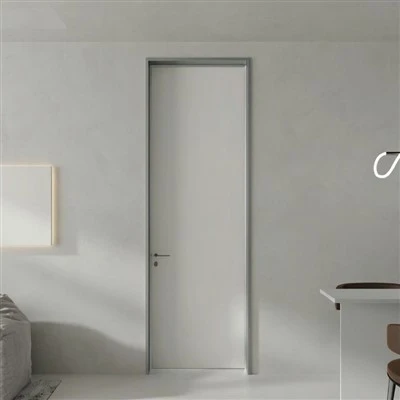
Style and brand alignment are the final piece of the puzzle, and they shouldn’t be ignored, even if function is your top priority. A door that works great but doesn’t match your brand will make your space feel disjointed, which can turn off customers or make employees feel less connected to their work. Let’s say you own a minimalist coffee shop in a trendy downtown area: a plain white solid core door with a matte finish will fit way better than a dark wood door with ornate hardware. If you run a law firm that wants to project authority and professionalism, a solid wood door with a dark stain and polished metal hardware will convey that vibe. For a children’s play space, you might want doors with bright colors or even subtle patterns to make the space feel fun and welcoming. The good news is that modern commercial doors come in almost every style you can imagine, from sleek modern laminate to traditional solid wood with carved details. You can even get custom finishes, like a textured wood grain or a custom paint color that matches your brand’s exact palette. Just remember: style doesn’t have to come at the cost of function. A well-designed door can both look good and perform exactly what your space needs.
Over the years, I’ve learned that the best door choices are the ones that balance all these factors, not just picking the cheapest option or the most expensive one. A client once asked me, “Why can’t I just buy the cheapest door I can find?” and my answer was simple: that cheap door will cost you more in repairs, replacements, and fines down the line. I’ve seen a small restaurant replace their doors twice in three years because they picked thin, non-stain-resistant doors, when a $200 more investment in laminate doors would have lasted 10 years. Another client saved a few hundred dollars on unrated doors for their office, and got a $10,000 fine during a health department inspection. It’s all about looking at the long-term, not just the upfront cost.
Glass Door At the end of the day, choosing interior doors for a commercial space is a decision that impacts every part of your business, from daily operations to brand reputation to safety. It’s not a purchase you want to rush, or make based on price alone. If you’re a business owner or facility manager working on a renovation or new build, I’m here to help you work through all these decisions, find doors that fit your space, your budget, and your needs. Whether you’re upgrading a small retail store, outfitting a new office, or building a boutique hotel, we can walk through the process together, answer all your questions, and make sure you get doors that will last for years.
References
- National Fire Protection Association. (2022). NFPA 80: Standard for Fire Doors and Other Opening Protectives. National Fire Protection Association.
- Americans with Disabilities Act Accessibility Guidelines (ADAAG). (2010). U.S. Access Board.
- Woodwork Institute. (2021). Commercial Interior Door Selection Guide. Woodwork Institute.
- Sound and Vibration Institute. (2020). Sound Transmission Class (STC) for Commercial Buildings. Sound and Vibration Institute.
- Architectural Woodwork Manufacturers Association. (2022). Commercial Door Material Selection Handbook. Architectural Woodwork Manufacturers Association.
Tengzhou Jingsheng Home Furnishing Co., Ltd.
As one of the most experienced interior door manufacturers and suppliers in China, we also support customized service. Please feel free to buy high quality interior door in stock here from our factory. For quotation and free sample, contact us now.
Address: Zhanglou Village, Hongxu Town, Tengzhou City, Zaozhuang City, Shandong Province
E-mail: 15554379297@163.com
WebSite: https://www.jingshenghome.com/
