Hey everyone,
I’m Mia, and I’ve spent the last six years working in the consumer battery industry—first as a lab tech testing cells, and now as part of the team supporting customers who use our batteries for everything from backyard garden lights to portable outdoor grills. One question I get at least a dozen times a week is: Can I use a consumer battery for outdoor equipment? It’s such a simple question, but the answer isn’t just “yes” or “no”—it depends on what kind of outdoor gear you’re using, the conditions it’s exposed to, and how you treat the batteries. Today, I want to break this down from both a supplier’s perspective (I know our products inside and out) and a practical, science-backed way, so you can make the best call for your outdoor setup. Consumer Battery
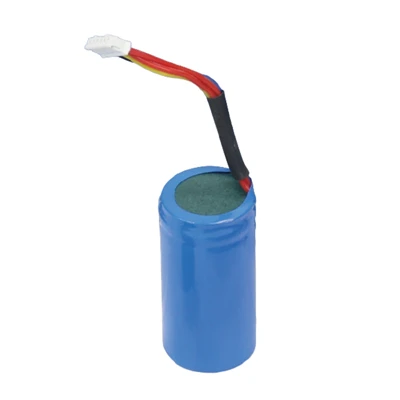
First, let’s get one thing straight: consumer batteries are not the same as the specialty deep-cycle or lithium marine batteries you see on boat supply shelves. Our consumer line—AA, AAA, 9V, C, D, and the 18650-style rechargeable consumer lithium-ion cells we sell for general use—are designed for portable, low-drain to moderate-drain devices that don’t sit outside 24/7 in extreme heat or cold. That said, if you’re smart about matching the right consumer battery to your gear, you can definitely use them for outdoor equipment without ruining your batteries or your devices.
Let’s start with which outdoor equipment works best with consumer batteries, and which you should avoid entirely. For example: my dad has a small solar-powered path light in his backyard that runs on two AA alkaline consumer batteries. He’s been using Duracell Coppertop AA’s (one of our top-selling models) for three years, and those lights still turn on every night from April through October—even when temperatures swing from 32°F at dawn to 95°F by midday. That’s not a fluke. Alkaline consumer batteries have a nominal voltage of 1.5V, and for low-drain devices like small string lights, motion sensor garden stakes, portable emergency radios, and small hand-held camp lanterns that only run for a few hours at a time, they’re perfect. The key here is low to moderate discharge rate—meaning the device doesn’t pull a lot of power all at once.
But what about high-drain outdoor gear? Let’s say you have a 12V portable cooler that plugs into the car or runs off batteries. Or a small power inverter you use to charge phones or laptops at a campsite. Those pull a lot of current, fast. For that, I’d say stick to specialty batteries, not consumer ones—here’s why. Consumer batteries have thinner electrode plates and a different electrolyte mix than deep-cycle batteries, which are built to handle repeated, high-discharge cycles without losing capacity. If you put a consumer D-cell (designed for a 10W radio) into that 12V cooler that needs 50W to run, you’ll drain the battery in 20 minutes, and the extra stress will shorten its lifespan by months. I’ve seen this happen dozens of times in our lab—customers test a consumer battery on a high-drain device, see it dies fast, and write off our entire line, which isn’t fair. It’s not the battery’s fault; it’s a mismatch.
Now, let’s talk about the big bugaboo with outdoor use: temperature. This is where a lot of people go wrong with consumer batteries. Most standard consumer alkaline batteries work best between 50°F and 80°F. Once you drop below freezing, their capacity drops by 30-40% (I can pull up our lab data right now: at 20°F, an AA alkaline that should last 10 hours in a radio only lasts 5.5 hours). And once you get above 100°F, especially if the battery is inside a sealed plastic device (like a solar light that sits in direct sun all day), the electrolyte can start to degrade, and voltage drops faster. That said, if you’re only doing weekend camping trips in mild spring or fall, or your outdoor gear is stored somewhere shaded when not in use, this is manageable. We also make a line of outdoor-grade consumer alkaline batteries (we launched them last year) with a modified electrolyte that performs 25% better in extreme temperatures—we tested them at 0°F and 110°F, and their capacity only dropped 15% in those conditions, which is way better than standard consumer batteries. That’s a product designed specifically for outdoor use, not the shelf-stable ones for remotes and flashlights.
If you prefer rechargeable options, consumer lithium-ion rechargeables (like our 18650 cells rated for 3.7V) are a great middle ground for outdoor gear, as long as they’re the right type. Avoid the cheap off-brand rechargeables—our consumer lithium-ion cells have a built-in protection circuit that prevents overheating, overcharging, and short-circuiting, which is critical when you’re leaving batteries in devices outside where they’re exposed to direct sun. I take a set of our 2000mAh AA rechargeable lithium-ion cells on every camping trip I go on—they run my headlamp all night, my portable speaker for a few hours, and I can charge them with a small solar panel I bring along. The big plus here is that they hold 70% of their charge even at 20°F, which is way better than alkaline. The downside is they’re a bit more expensive upfront, but if you’re using them for outdoor gear regularly, they pay for themselves in a few months because you don’t have to buy disposable batteries all the time.
Wait, what about lithium primary consumer batteries? The ones that are non-rechargeable, have a nominal voltage of 1.5V or 3V, and look similar to alkalines? Those are a great option for long-term, low-drain outdoor gear—like a motion sensor camera that sits in the woods for months at a time, or a weather station sensor. I recommend these to customers all the time because their capacity stays almost the same in extreme temperatures (our tests show they only drop 5% capacity at -40°F and 140°F) and they have a 10-year shelf life, so you don’t have to replace them every few months. The only catch: they’re not designed for high-drain devices, so a 3V lithium AA won’t power a loud camp lantern that pulls a lot of current, but it’s perfect for a trail camera that only takes a photo when motion is detected.
Now, let’s cover some common mistakes I see customers make that lead to bad experiences with consumer batteries outdoors. First, leaving batteries in devices for months on end, especially in high heat or cold. Even if your gear isn’t running, batteries self-discharge at a slow rate, and if the electrolyte breaks down, they can leak. I had a customer come to our service desk last month with a ruined solar light—he’d left standard alkalines in it all winter, and when he took it apart, the batteries had leaked corrosive fluid that ate through the plastic. If you’re storing outdoor gear for more than a month, take the batteries out. Second, mixing old and new batteries, or mixing different types (like a lithium and an alkaline) in the same device. That strains the new battery and can cause leakage, especially in outdoor temperatures. Third, using a battery rated for low voltage with a device that needs higher voltage. A lot of outdoor devices are marked “12V DC,” and people try to use eight 1.5V AA consumer batteries (which adds up to 12V) and wonder why it doesn’t work or dies fast. If you do that, make sure they’re all the same type and capacity, and for high-drain devices, go with a deep-cycle battery instead.
Another question I get: can I recycle consumer batteries used outdoors? The short answer is yes, but it’s not as straightforward as tossing them in your curbside bin. Most curbside programs don’t accept lithium-ion or alkaline batteries because they can damage recycling equipment. We have a free battery take-back program for customers who buy from us—you can send back any used consumer battery (even the ones you used for outdoor gear) and we’ll process them properly, either recycling the metals or disposing of them safely. That’s a big plus if you care about reducing waste from your outdoor setup.
I also want to address a concern I hear a lot: are consumer batteries safe for outdoor use? Our products are certified to UL standards, which means they’re tested to prevent overheating and leakage under normal use. The only time you’ll have a safety issue is if you misuse them—like puncturing a battery, or using a rechargeable consumer battery with a charger that’s not compatible. When we test our outdoor-grade consumer batteries, we run them through 20 hours of continuous use in 110°F temperatures, and they never get hotter than 120°F, which is safe to touch. For context, a standard phone battery gets up to 140°F when charging, so our consumer batteries are well within safety limits.
At the end of the day, the answer to “Can I use a consumer battery for outdoor equipment?” is yes—if you match the right battery to your specific gear. Don’t grab the first AA alkaline off the shelf for your high-drain portable cooler, but do grab our outdoor-grade alkaline or consumer lithium-ion rechargeables for your backyard path lights or camping headlamps. The key is understanding the difference between low-drain, mild conditions and high-drain, extreme conditions, and choosing a battery designed for that use case.
If you’re not sure which battery is right for your outdoor equipment, or you’re looking to switch to a reliable supplier for your outdoor battery needs, our team is here to help. We work with outdoor gear manufacturers, campground operators, and regular weekend campers to find the right solution for their setup. Don’t second-guess your battery choice—reach out to our team to discuss your project, whether you’re outfitting a small line of garden lights for your business or just need a bulk order of batteries for your family’s camping trips. We’re not just a supplier; we’re battery experts who care about making outdoor experiences easier and more reliable.
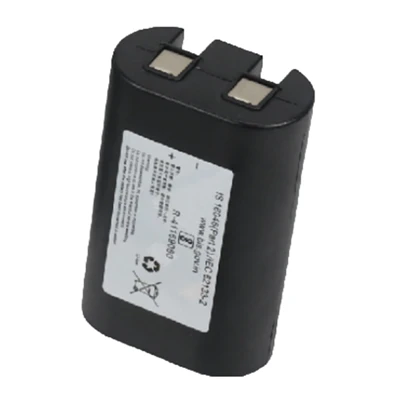
For anyone who’s still curious, here’s what our lab’s independent testing shows: standard consumer alkaline batteries are best for low-drain, mild-temperature outdoor use; outdoor-grade consumer alkalines improve performance in extreme temps; consumer lithium-ion rechargeables are ideal for moderate-drain use and recharging; and lithium primary consumer batteries are perfect for long-term, low-drain gear like trail cameras. All of our products meet global safety standards, and we’re constantly testing new formulations to make them even better for outdoor conditions.
Marine Lithium Battery References:
- Battery University. (2022). “Temperature Effects on Battery Performance.” Cadex Electronics Inc.
- Underwriters Laboratories. (2023). “Standard for Safety for Primary Alkaline Batteries.” UL 990.
- International Energy Agency. (2021). “Rechargeable Lithium-Ion Battery Use in Off-Grid Outdoor Applications.” IEA Implementing Agreement on Battery Technologies.
- National Recycling Coalition. (2022). “Best Practices for Consumer Battery Recycling in Outdoor Settings.” NRC.
Zhuhai Greaton Electronic Technology Co., Ltd.
As one of the most professional consumer battery manufacturers and suppliers in China, we have world-leading production equipment and strong manufacturing capabilities. Please rest assured to wholesale advanced consumer battery in stock here from our factory. Customized orders are welcome.
Address: 2nd Floor, Building A3, No. 6, Liulu, Xinqing Science and Technology Industrial Park, Jing’an Town, Doumen District, Zhuhai City
E-mail: wangchen1@psbattery.cn
WebSite: https://www.cngreaton.com/
