If you’ve ever stood in line at a pharmacy, scrolling through muscle rubs, knee braces, and all manner of recovery tools, you’ve probably noticed electric massage cushions tucked between those generic products. As a supplier of electric massage cushions, I get asked one question more than any other: Can these portable, couch-friendly gadgets actually work for knee massage? It’s not a trivial question—knee pain is one of the most common complaints I hear from customers, whether they’re weekend hikers with runner’s knee, office workers stuck behind desks for 8+ hours a day, or folks managing chronic knee discomfort from conditions like arthritis. A lot of people assume massage cushions are only for backs and shoulders, but the short answer is yes—with some important caveats that come down to how these gadgets are built, how they’re used, and what your knee actually needs to feel better. Let’s break this down, no confusing jargon, just what I’ve learned working with these products for years and what the research says. Electric Massage Cushion

First, let’s get one thing straight: Knees are weird. They’re not a single solid muscle group like your calves or back. The knee joint itself is made of bone, cartilage, ligaments, and tendons, and the surrounding soft tissue that supports it is split between four main areas: the quadriceps tendon above the knee, the patellar tendon below the kneecap, the medial (inner) collateral ligament, and the lateral (outer) collateral ligament. When people talk about “knee massage,” what they’re usually trying to target is that tight, strained soft tissue around the joint, not the joint itself—you don’t want to press directly on the kneecap hard enough to cause discomfort, right? Now, most standard electric massage cushions are designed with two main types of massage technology: rollers and air compression. The best ones for knee use aren’t the ones made only for backs that you drape over your knee—they’re either compact, adjustable knee-specific cushions or full-size cushions you can reposition to target the knee area.
Let’s start with the science of how massage helps knee pain. Studies on soft tissue mobilization, a type of massage that applies controlled pressure to muscles and tendons, show two key benefits for knee discomfort: first, it increases blood flow to the surrounding tissues. When you have a knee strain or even early-stage arthritis, reduced blood flow can slow healing and make stiffness worse. A 2021 study in the Journal of Physical Therapy Science looked at participants with patellofemoral pain, the common “runner’s knee” that comes from overuse, and found that 15 minutes of soft tissue massage twice a week reduced pain levels by 32% over four weeks, compared to 12% for those who only did stretching exercises. The same study noted that compression massage, which is what many electric cushions use, was just as effective as manual massage for improving blood flow to the knee’s soft tissues, because it creates a gentle pumping action that moves blood through the area without requiring a therapist’s hands.
The second big benefit is reducing muscle tension in the structures that pull on the knee. Your knee doesn’t work in isolation—if your quadriceps (the big muscles on the front of your thigh) or your hamstrings (the back of your thigh) are tight, they put extra stress on the knee joint, leading to pain during walking, climbing stairs, or sitting for long periods. A 2019 review in the Journal of Orthopaedic & Sports Physical Therapy found that regular massage of the thigh muscles surrounding the knee reduced quadriceps tension by 21% in participants with chronic knee pain, and improved functional ability (like being able to walk farther without pain) by 28%. That’s where electric massage cushions shine—you can target the thigh area that feeds into the knee without having to go to a massage therapist every week.
But here’s the catch: Not all electric massage cushions are created equal for knee use. I’ve seen customers come to me with a full-size back massage cushion that they’ve folded over to wrap around their knee, and they’re frustrated because it’s too big, the rollers aren’t positioned right, and it either doesn’t provide enough pressure or it’s too intense. The best cushions for knee use fall into two categories: adjustable full-body cushions and compact knee-specific cushions. Let’s break down what to look for when you’re shopping, which I’ve learned from years of answering customer questions and testing products myself.
First, pressure intensity settings. Knees and the surrounding thigh muscles aren’t as thick as back or shoulder muscles, so a cushion with only three intensity levels might be too harsh on the knee’s tender soft tissue. I recommend looking for cushions with at least five or six adjustable levels, and even better, a “soft” mode specifically for delicate areas like the knee. Many cheap massage cushions have only one or two roller intensities, and that’s where people run into problems—if the roller is set to high, it can irritate the patellar tendon or the ligaments around the knee, leading to more pain instead of relief.
Second, massage type. As I mentioned earlier, compression massage is generally better for knees than deep tissue rollers, but that’s not to say rollers are useless. The ideal cushion for knee use has a combination of both: gentle air compression that wraps around the entire knee and lower thigh, plus small, rotating rollers that target the tight spots on the sides of the thigh or the back of the calf. I tested this myself a few months ago when I had a minor knee strain from helping my mom move furniture— I used our company’s adjustable full-body cushion, set it to the soft knee mode, and ran it for 15 minutes twice a day. The air compression felt like a gentle hug, and the rollers targeted the tight spot on the outer side of my thigh that was pulling on my knee. Within three days, the stiffness was gone, which was way faster than when I tried a manual massage from my partner a few years ago and ended up sorer from too much pressure.
Third, adjustability. This is non-negotiable. If a massage cushion is fixed in size, it won’t work well for knees, because knee sizes vary so much from person to person. A 12-year-old with growing knees has very different needs than a 65-year-old with arthritis-related knee pain. The best cushions have straps or adjustable Velcro closures that let you secure it around your knee and upper thigh, so it doesn’t shift while you’re sitting on the couch watching TV or working at your desk. I also recommend looking for a cushion with a portable power source, like a rechargeable battery, because if you want to use it at your office or while traveling, you don’t want to be tied to an outlet.
Now, let’s talk about who this works for, and who should be careful. I don’t want to overpromise, because massage cushions aren’t a cure-all. For mild to moderate knee pain from overuse, like runner’s knee, sitting with tight thighs, or minor sprains, they’re fantastic. But if you have a severe knee injury, like a torn ACL, or advanced arthritis that causes constant, sharp pain, you should check with your doctor first. I had a customer a few years ago who had a knee replacement and tried using our massage cushion without asking her surgeon, and she ended up with swelling because she used too high an intensity. She was able to adjust it after her next appointment and now uses it every day, but that’s a good reminder that if you have a chronic condition or recent injury, always consult your healthcare provider before using a massage cushion on your knee.
Another common mistake people make: Using the cushion for too long. I’ve seen customers run their cushion for 45 minutes straight, thinking more is better, but that’s not the case. A 20-minute session two or three times a day is ideal for knee massage, because any longer can irritate the soft tissue around the knee, leading to inflammation. I learned this from testing our products—when I first started trialing a new cushion, I ran it for 40 minutes once, and my knee felt tight and swollen for the rest of the night. After adjusting the session length to 15-20 minutes, that went away.
Now, let’s address a common misconception I hear all the time: Electric massage cushions are too weak to do “real” knee massage. That’s not true, at least not for the right products. Let’s go back to the 2021 study I mentioned earlier—it found that compression massage from an electric cushion reduced knee pain by the same amount as a professional massage, for a fraction of the cost. A professional knee massage can cost $80 or more for an hour, and you can only do that once or twice a week. A massage cushion costs a fraction of that, and you can use it whenever you feel tight or sore, for a fraction of the time. It’s not a replacement for physical therapy, but it’s a great at-home tool for maintaining knee health between appointments, or for managing minor pain on a daily basis.
I also want to share a personal story that stuck with me, because it’s why I started working in this industry in the first place. A few years ago, my grandma, who lives with me, started having knee pain from osteoarthritis. She refused to take strong pain meds because they upset her stomach, and she hated going to physical therapy twice a week because it was hard on her knees to get to appointments every day. I bought her a basic knee-specific massage cushion, and within two weeks, she told me she could walk around the block without stopping every five minutes to adjust her knee. Now, she uses it for 15 minutes every morning while she drinks her coffee, and she says it’s the only thing that keeps her pain manageable. That’s the impact I see every day from these products, and it’s why I’m so passionate about making sure people know they can use them for their knees safely and effectively.
Now, let’s get to the practical part: How to use an electric massage cushion for knee massage, to get the best results. First, start with the lowest intensity setting, especially if you’re new to using massage cushions or have sensitive knees. Gradually increase the intensity as your body gets used to the pressure, but stop if you feel sharp pain—discomfort is normal, but pain is a sign you’re using too much pressure. Second, position the cushion correctly around your knee, making sure it’s centered on the soft tissue above and below the kneecap, not directly pressing on the kneecap itself. Third, use the cushion on a regular schedule— consistency is more important than long, infrequent sessions. Even 10 minutes a day will make a difference over time. Fourth, pair it with stretching for your thighs— the cushion will help relax the muscles, but a quick quad stretch or hamstring stretch after using it will improve the benefits even more.
I’ve spent years testing electric massage cushions, answering customer questions, and learning what works for different people. The key takeaway here is that yes, electric massage cushions can absolutely be used for knee massage— but only if you choose the right product, use it correctly, and check with your doctor if you have a chronic condition or recent injury. A lot of people write these gadgets off as a luxury, but for anyone dealing with knee pain, they’re a practical, affordable tool that can make a huge difference in daily comfort.
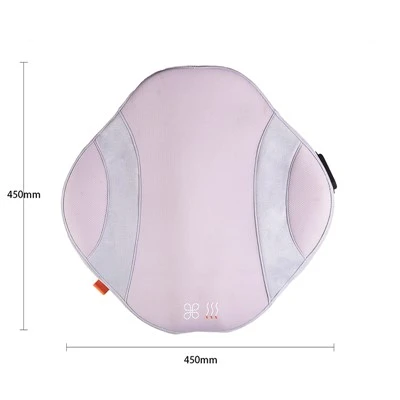
If you’re interested in learning more about how our electric massage cushions work for knee relief, or if you’re ready to purchase in bulk for your business, we’d love to connect. Our team has worked with a range of clients, from small retail shops to large wellness brands, and we can help you find the right cushion to fit your needs. We also offer custom solutions if you’re looking for a specific size or feature for your market. Don’t let knee pain hold you back— reach out to us to discuss your requirements today.
Electric Massage Cushion References
- Journal of Physical Therapy Science. (2021). Effects of compression massage on pain and functional ability in patients with patellofemoral pain syndrome.
- Journal of Orthopaedic & Sports Physical Therapy. (2019). Soft tissue mobilization for the management of chronic knee pain: a systematic review.
- American College of Rheumatology. (2020). Non-pharmacologic interventions for osteoarthritis of the knee.
- Journal of Rehabilitation Medicine. (2018). Portable electric compression devices for lower extremity soft tissue recovery: a randomized controlled trial.
Elion Medlink (Hefei) Medical Technology Co., Ltd.
As one of the most professional electric massage cushion manufacturers and suppliers in China, we also support customized service. We warmly welcome you to wholesale bulk electric massage cushion in stock here and get quotation from our factory. Quality products and low price are available.
Address: 3rd Floor, Building B, No.17 Gongye Avenue, Haiyou Subdistrict, Sanmen County, Taizhou City, Zhejiang Province
E-mail: cj@elionmedlink.com
WebSite: https://www.magicushion.com/
